When exploring how evolving technology will affect different aspects of our lives and society more broadly, one of the most interesting things we tend to find is that consequences are not wholly positive or negative.
This is perhaps clearest in the constant debates about what technology will do to job markets. Common logic dictates (to many at least) that increasing automation and new tech will eliminate opportunities and bring about massive net losses in employment. On the other hand, there are more and more arguments suggesting that automation and AI will also create new jobs. One particularly optimistic piece on The Washington Post in 2018 even predicted that machines would create 58 million more jobs than they would displace over a four-year span!
(more…)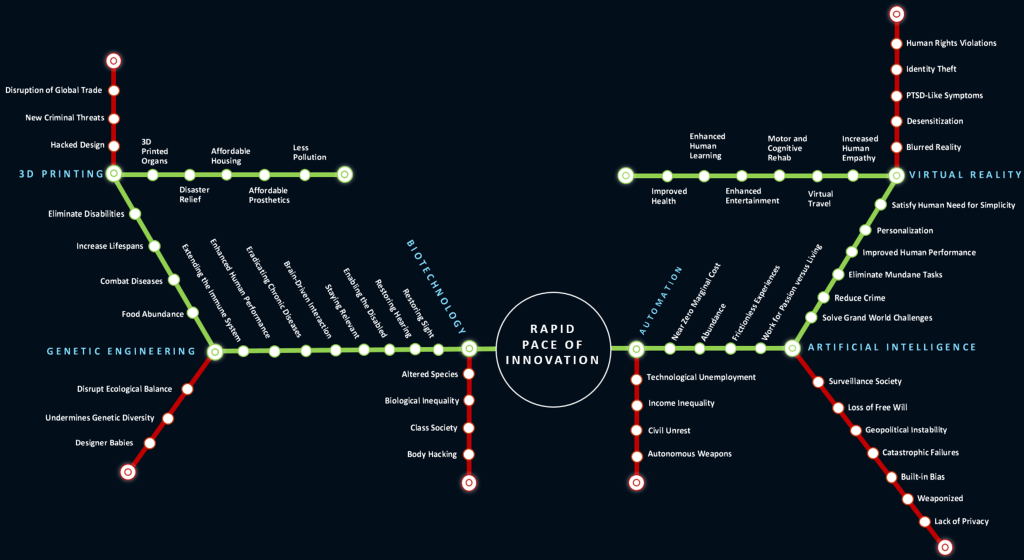
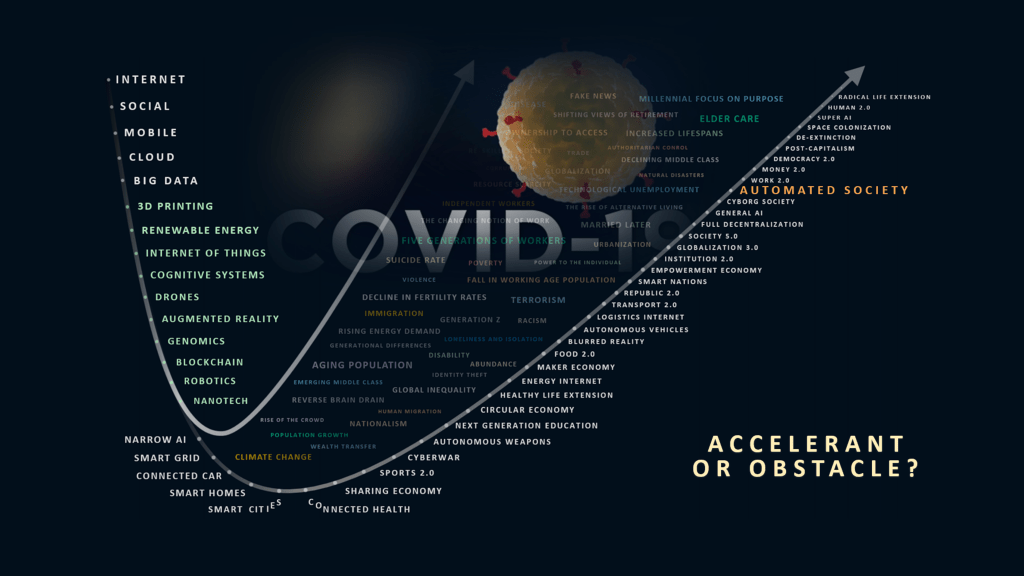

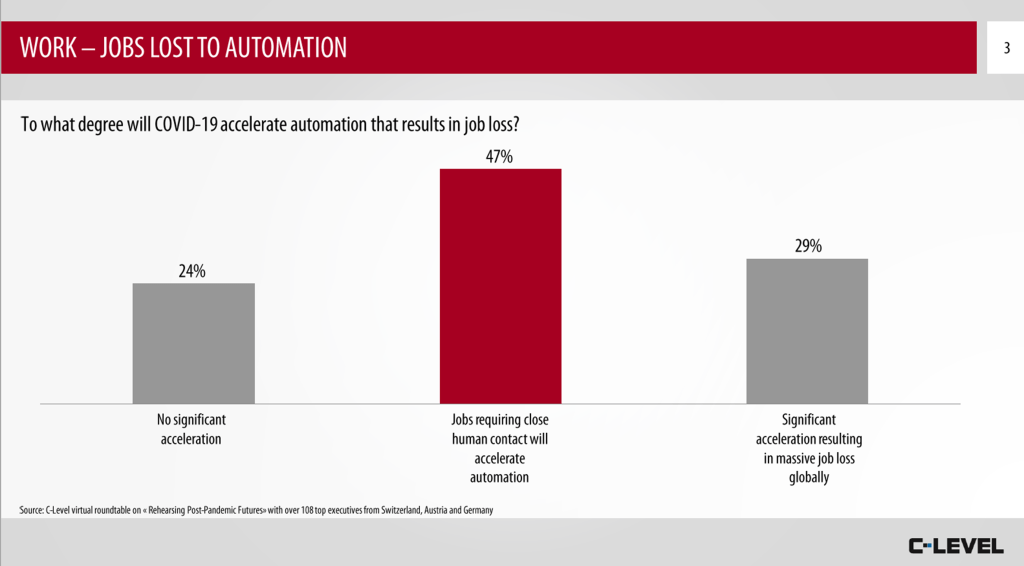
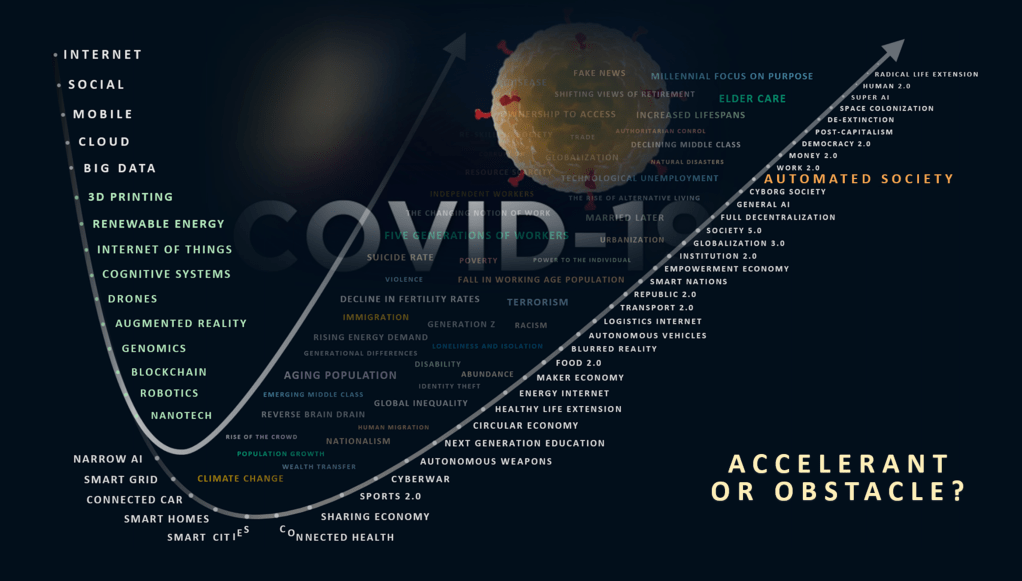
 Will the pandemic serve as an automation accelerant, as businesses replace laid off employees via automation? Or is it an obstacle to the capital investment required to enable automation?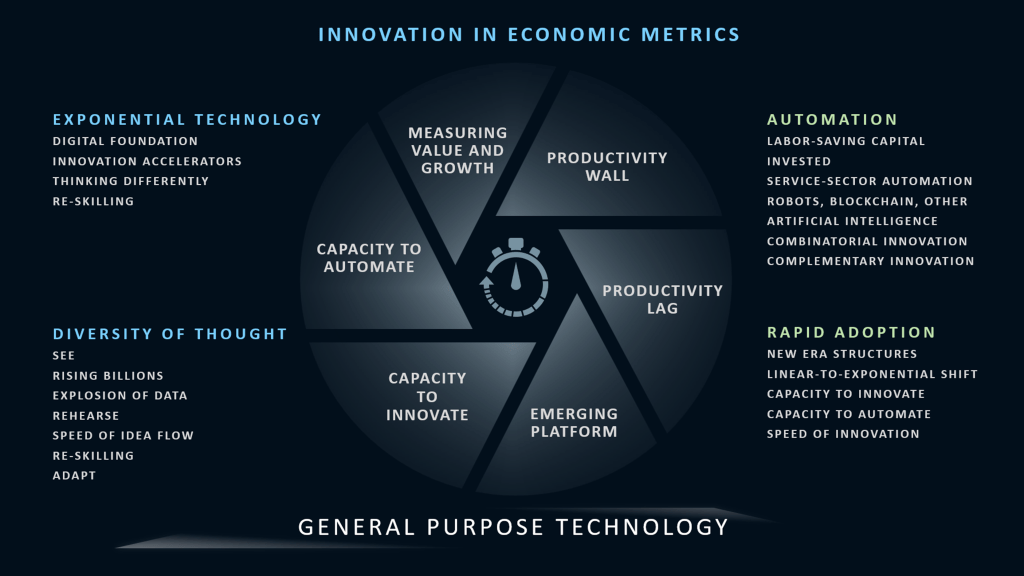
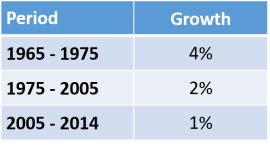 ed as the ratio of output to inputs used in the production process. In a
  The author explores a phenomenon that we have discussed many times over the centuries: Technological Unemployment. Drawing on almost a decade of research in the field, Susskind argues that machines no longer need to think like us in order to outperform us, as was once widely believed. The book describes a world where more and more tasks that used to be far beyond the capability of computers – from diagnosing illnesses to drafting legal contracts, from writing news reports to composing music – are coming within their reach. Mr. Susskind tells a compelling story to support his conclusion: the threat of technological unemployment is now real.
