
The Renaissance offers a useful way to think about AI, particularly through the relationship between inquiry, authority, and inherited knowledge. Renaissance humanists brought renewed scrutiny to influential texts, examining their language and comparing their claims. Their work sometimes challenged much more than an interpretation. It questioned the foundations on which established authority rested.
(more…)Tag: Philosophy
-
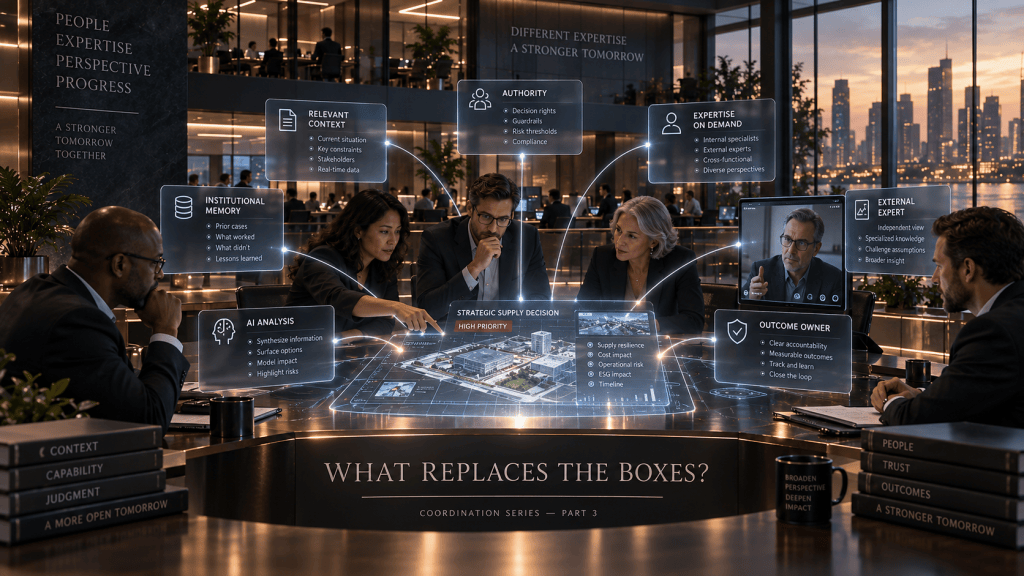
Part Three: What Replaces The Boxes?
Part three of a three-part series on the changing architecture of coordination.
In Part One, I argued that AI is changing the economics of coordination. Some of the work that once had to be embedded permanently inside jobs, departments, and reporting relationships can increasingly be assembled around a need. Part Two looked at the other side of that shift. Those structures were carrying much more than the visible work. They were also carrying context, accountability, and the means by which people developed judgment.
(more…) -
Rehearsing The Future: A FoBTV Conversation On Possibility Chains
I recently joined colleague Kevin Benedict on FoBTV for a conversation about the ideas that sit at the center of my work: systemic change, convergence, pressure, possibility chains, pathways, and decision spaces. For long-time readers of this blog, these concepts will be familiar. But the conversation offered a useful opportunity to bring them together in one place and explain why they matter now.
(more…) -
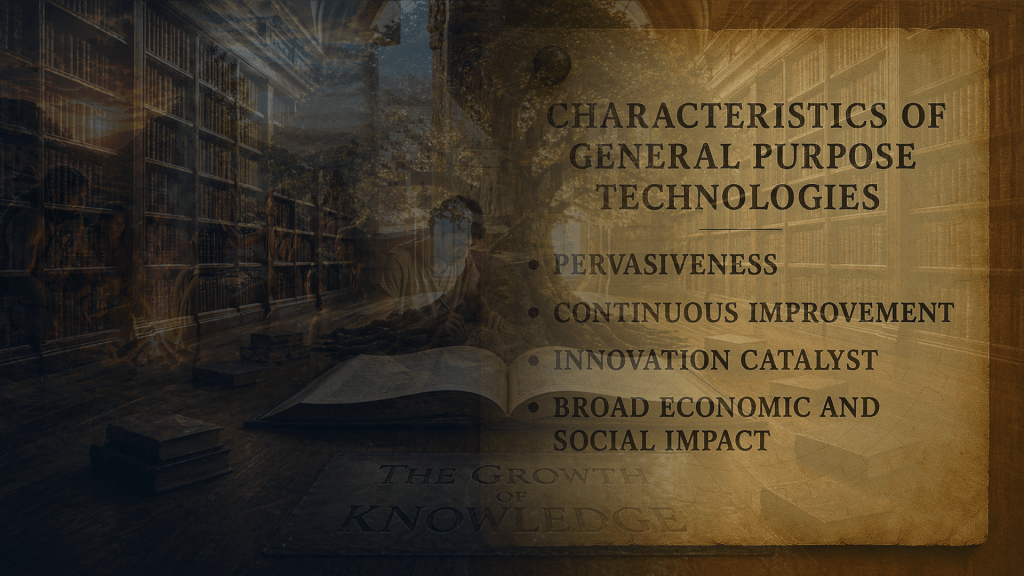
AI May Be Two Engines At Once
In the last edition, I explored how we know when change becomes systemic. The answer is not found in the speed of one trend, but in the spread of pressure across domains. When science, technology, society, geopolitics, economics, philosophy, and the environment begin moving together, change stops behaving like a set of separate disruptions and begins to look like transition.
That raises the next question: what makes some technologies powerful enough to accelerate that kind of transition?
(more…) -
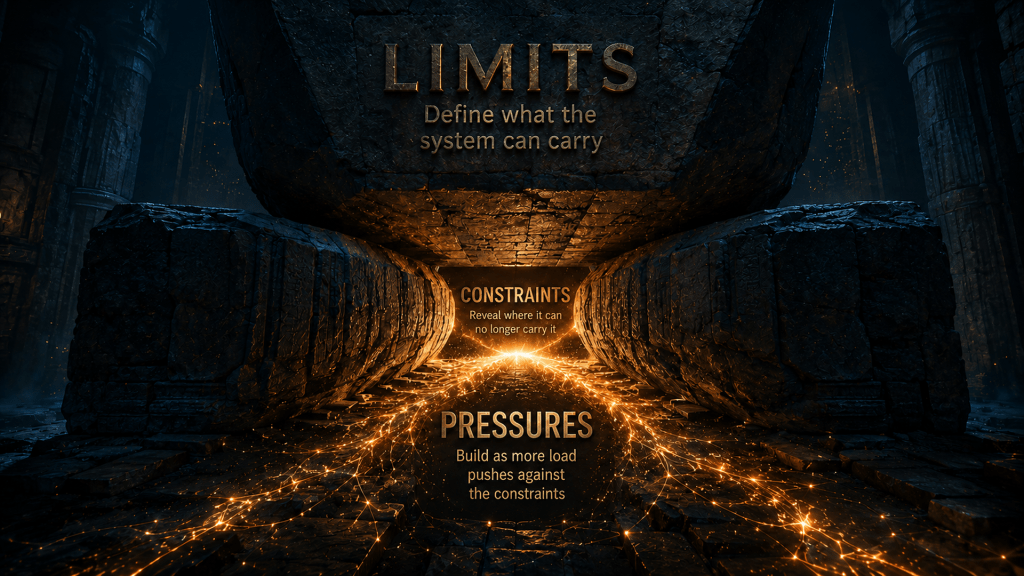
When Old Limits Can No Longer Carry The Load
If history reveals one thing across major transitions, it is that systems do not change just because new possibilities appear. They change when old limits can no longer carry the load. Every age has limits. Some are physical. Some are social. Some are institutional. Some are moral. These limits define what a system can carry without breaking. They tell us how much complexity a society can absorb, how fast institutions can respond, how much trust people can maintain, how much strain the environment can take, and how much change humans can process before the old order begins to crack.
(more…) -
The Question Beneath This Moment
History does not matter because it repeats. It matters because it reveals patterns that are too large to see in one lifetime.
That is the central idea I bring to audiences in my keynote. We often talk about the future as if it is driven by isolated trends: artificial intelligence, climate pressure, demographic change, geopolitical instability, synthetic biology, institutional distrust, or economic disruption. Each matters. But the deeper story is not that these forces are happening at the same time. The deeper story is that they are beginning to interact. That interaction is what I mean by convergence.
(more…) -
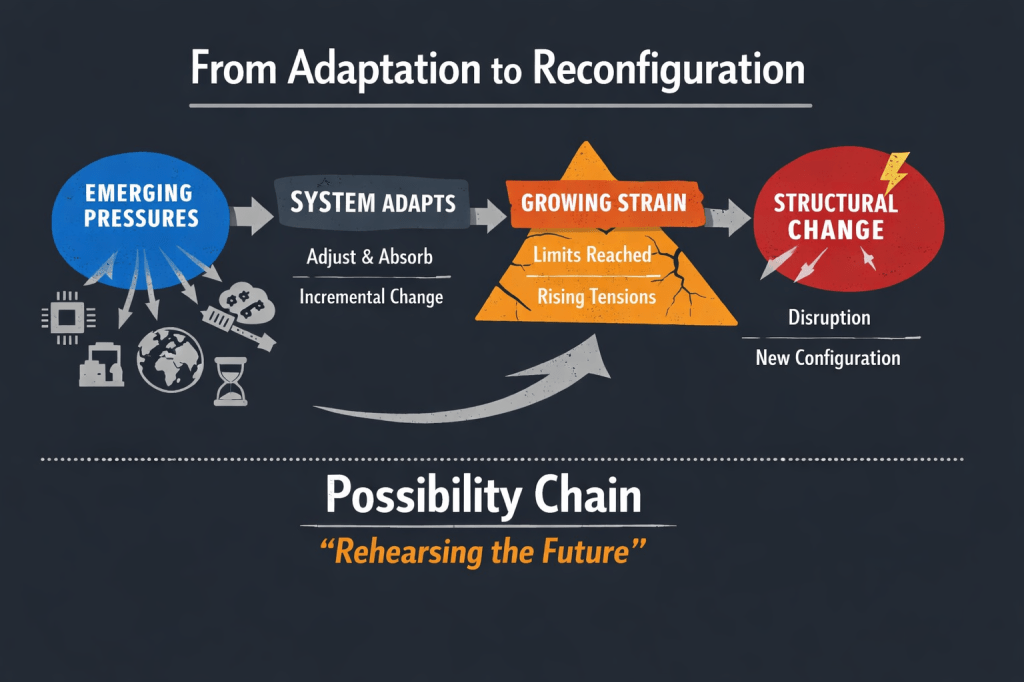
How Possibility Chains Were Born
Today TIME published an Op-Ed I wrote titled You Can’t Predict the Future. But Can You Rehearse It?. The piece explores a simple but important idea: the future is not something we can reliably predict, but it is something we can rehearse.
The Op-Ed focuses on why prediction is becoming less useful in a world where pressures across science, technology, geopolitics, economics, society, philosophy, and the environment are arriving at the same time. But the article only briefly touches on something that has shaped my thinking over the past year: how the idea of possibility chains actually emerged. It started with a familiar problem.
(more…) -
When No One Owns The Outcome
A series: When Systems Move Faster Than We Do
Across this series, we have followed a single pressure as it moved inward. In the first post, we examined what happens when intelligence outpaces human review and shared validation begins to thin. In the second, we saw how that acceleration moves into infrastructure, as environments stop waiting for instruction and begin acting automatically. In the third, we traced the consequences for institutions, where governance shifts from fixed rules toward continuous calibration and legitimacy begins to lag control. In the fourth, we carried that same substitution logic into the human domain, where people remain socially central while becoming operationally optional. What remains is responsibility.
(more…) -
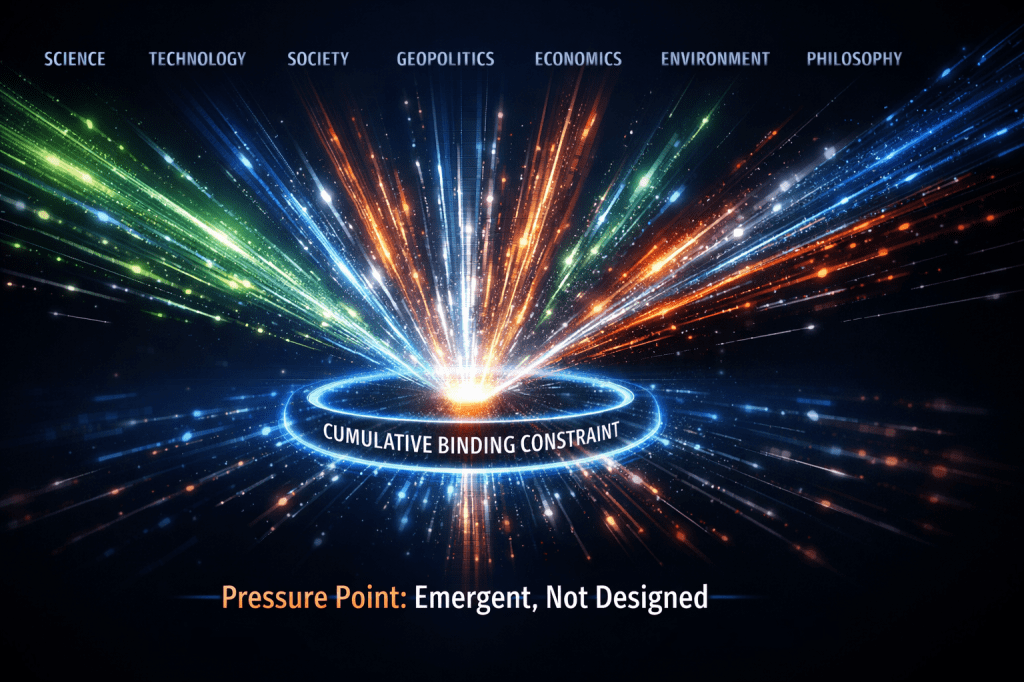
Moving One Layer Deeper – The Constraints That Drive Our Future
When I first described pressure points and catalysts, the goal was to explain why large-scale change rarely arrives without warning. History does not shift randomly. It shifts when accumulating pressures reach limits that systems can no longer absorb. That framing remains. We now move one layer deeper — from pressure as a visible signal to constraint as the underlying mechanic.
A pressure point is not simply stress in the abstract. It is a constraint that reduces flexibility. It is a limit that narrows optionality. It appears when decisions become harder to reverse, when response time shrinks, when coordination becomes more expensive, and when substitution becomes necessary rather than optional. Pressure points mark where systems are approaching or crossing limits.
(more…) -
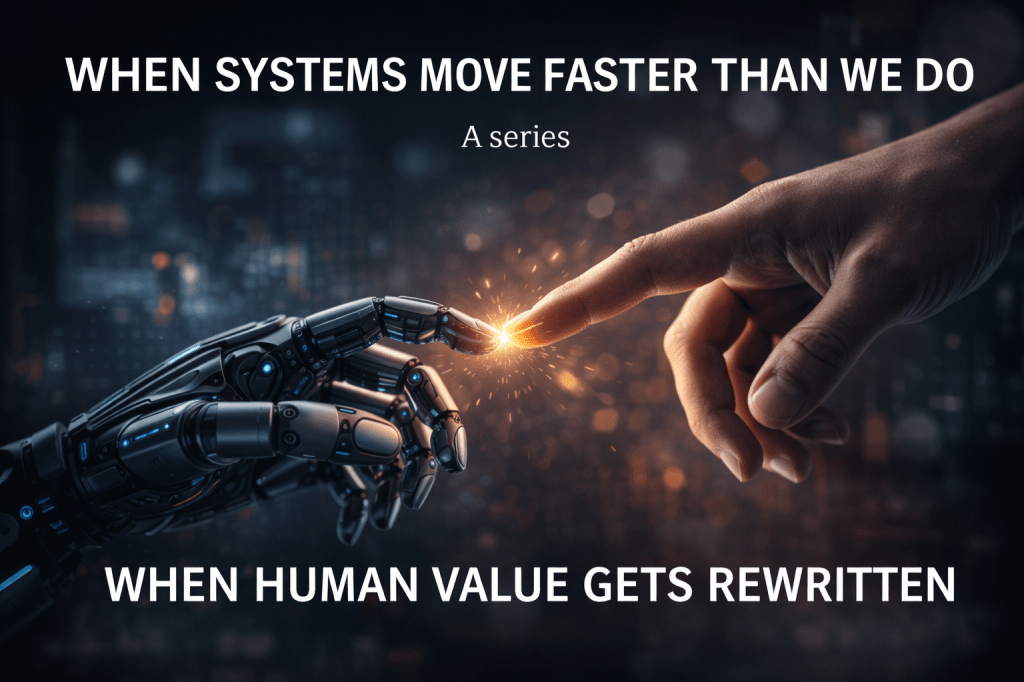
When Human Value Gets Rewritten
A series: When Systems Move Faster Than We Do
We are entering a moment in which human roles remain socially central while becoming operationally optional. As systems begin to think, respond, and coordinate continuously, they no longer depend on people in the ways our institutions, economies, and social norms still assume. This is the pressure that now moves into the human domain.
In earlier posts, we traced how intelligence outpaces human review, how environments begin to act automatically, and how institutions adapt by shifting from rule-based governance toward ongoing calibration. Once systems operate without waiting, the next question is not technical or institutional. It is human. What happens when participation persists, but reliance fades?
(more…) -
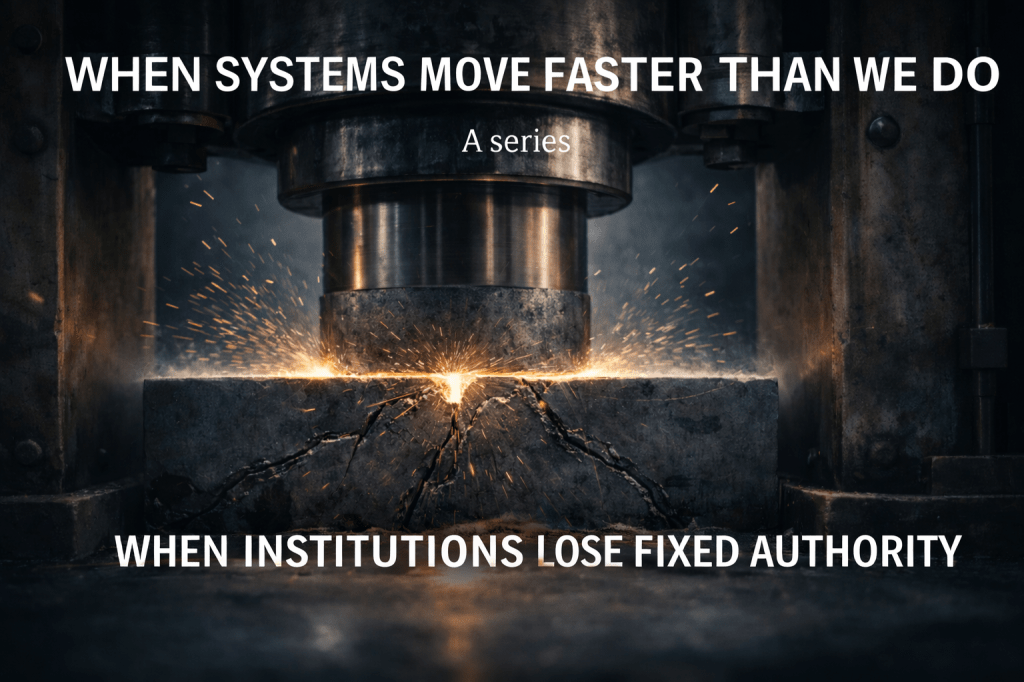
When Institutions Lose Fixed Authority
A series: When Systems Move Faster Than We Do
In the first two posts in this series, we examined how intelligence is outpacing human review and how environments are beginning to act automatically in response. Once systems operate continuously rather than episodically, that pressure does not stop at knowledge or infrastructure. It reaches the institutions responsible for maintaining order, legitimacy, and collective trust.
(more…) -
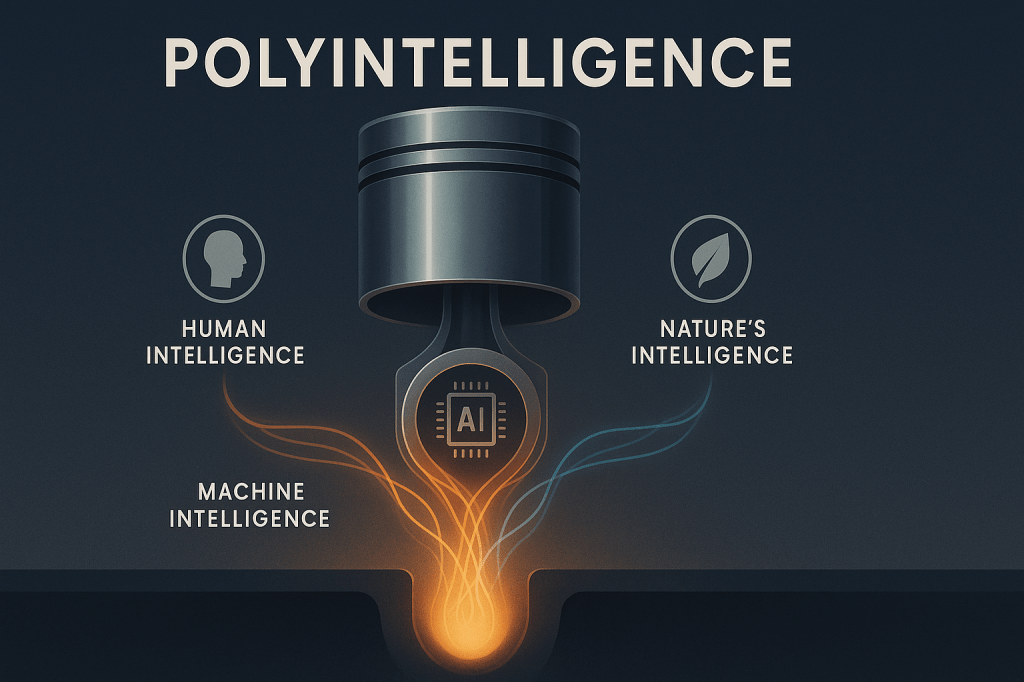
The Compressed Present
THE BIO-INTELLIGENT SIGNATURE: A LENS ON THE CURRENT AGE
The present moment is shaped by three converging streams of intelligence: machine intelligence, biological intelligence, and planetary intelligence. These are the same sources that form what I have described elsewhere as polyintelligence — cognition distributed across humans, machines, and nature. Each stream is advancing on its own, but their deeper significance appears in how they now influence one another. Artificial intelligence extends cognition beyond the human mind. Synthetic biology brings design and computation into living systems. And the planet — long treated only as a resource base — is increasingly recognized as a source of insight. Through biomimetics, natural systems provide design principles refined through evolution: circularity instead of waste, resilience through diversity, and adaptation through constant sensing and feedback.
(more…) -
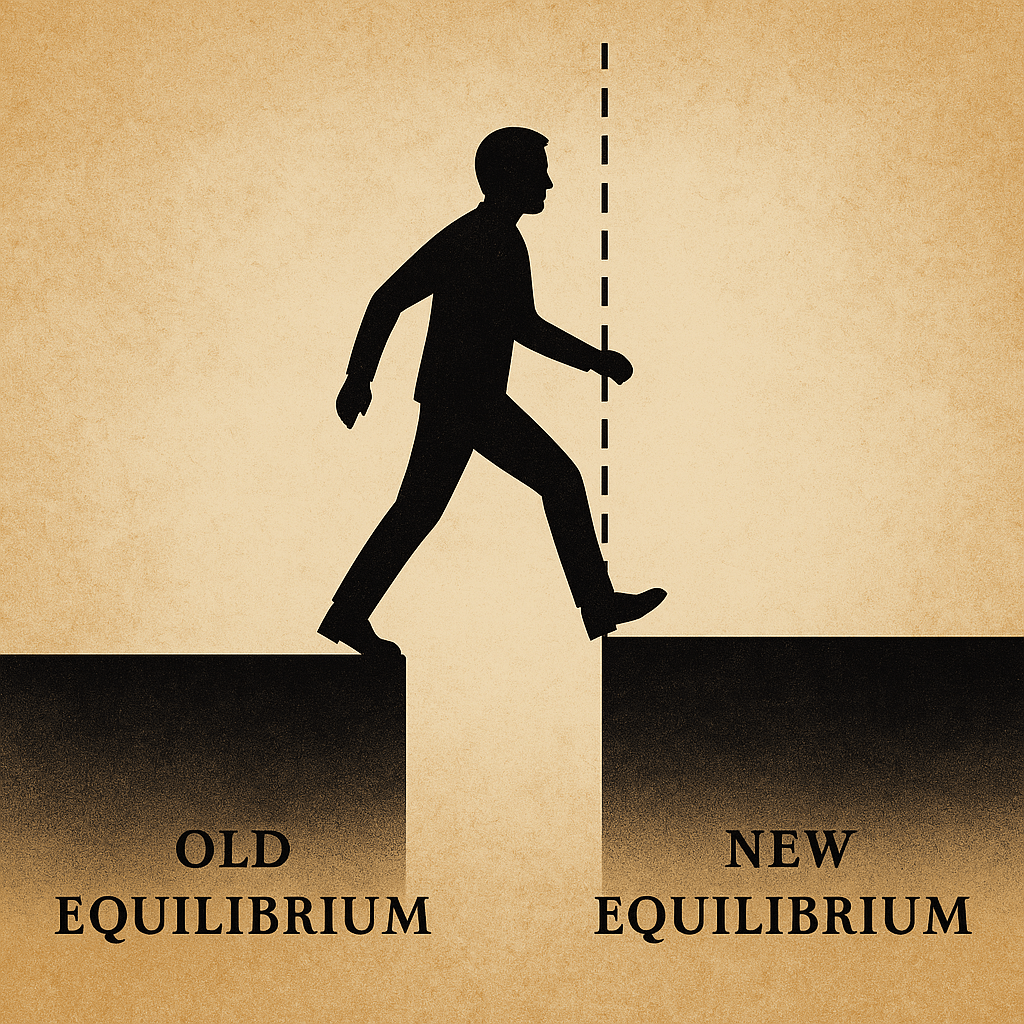
Crossing The Threshold
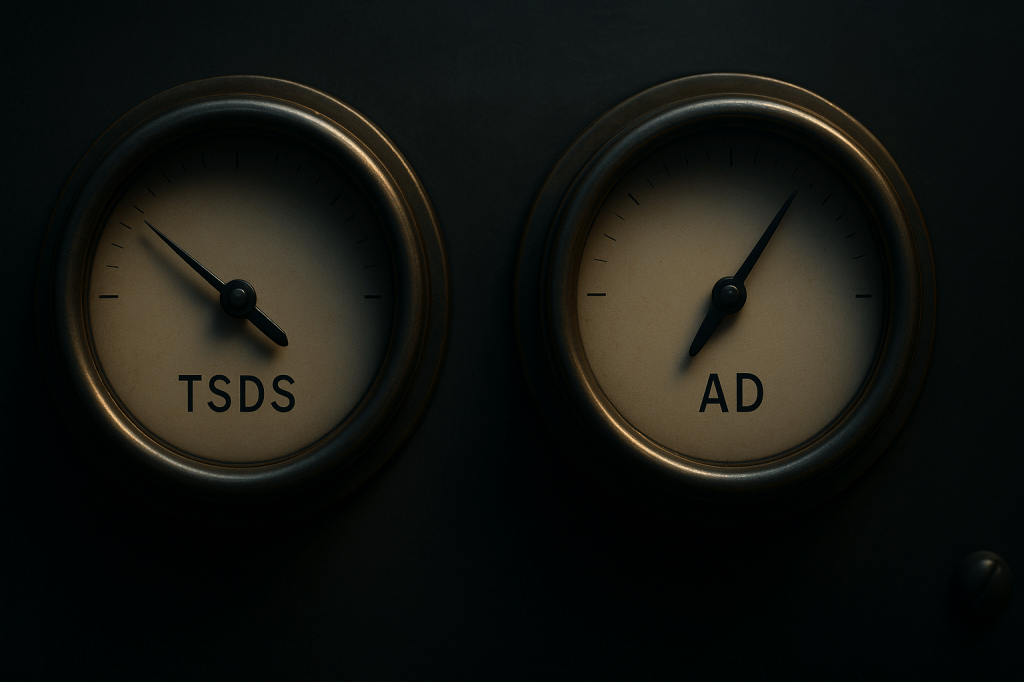
Civilization’s great shifts are the moments when continuity fails and a new order takes shape. Each historical age reached a point where the old logic could no longer hold, and pressures converged into a transformative release. By examining four major transitions – from Hunter–Gatherer to Agricultural, Agricultural to Axial, Axial to Renaissance, and Renaissance to Industrial – we can see how rising Total Systemic Domain Score (TSDS) and changing Activation Dispersion (AD) signaled that a threshold was near. Some transitions unfolded slowly over millennia, while others struck within a few centuries. In each case, the build-up of energy and imbalance hit a critical point, and society crossed into an irreversible new configuration that only in hindsight feels inevitable.
(more…) -
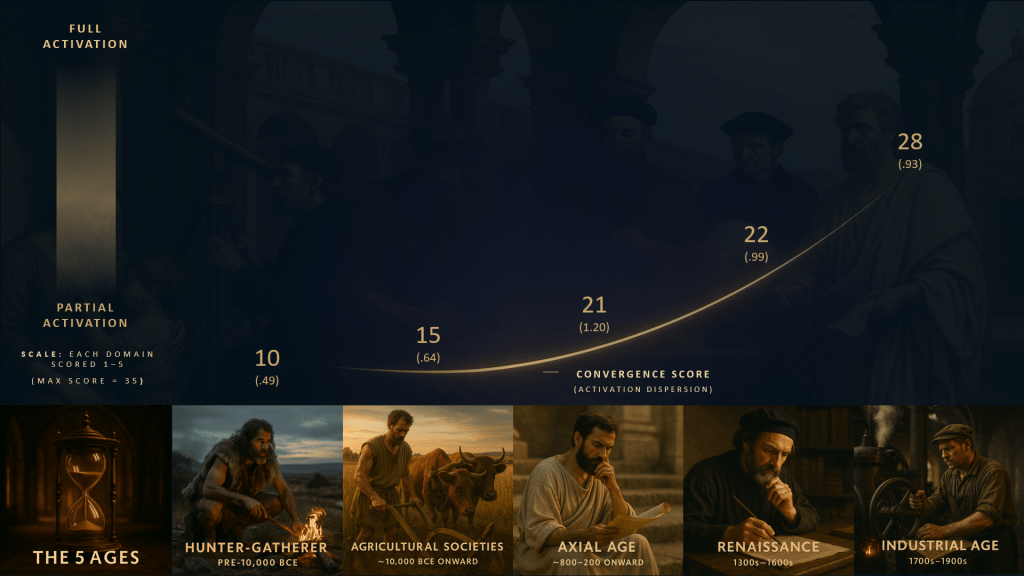
What The Gauges Reveal Across The Ages
Over the first seven posts, we explored the seven domains that shape civilization, the forces that move within them, the thresholds that mark major transitions, and the drivers that push systems toward those turning points. We also built two gauges that help make those movements visible. TSDS shows how much energy sits across the seven domains. AD shows how that energy is arranged. Together, they help us see the internal structure of an age: how active its domains were, how evenly that activity spread, and how tightly the system was coupled. With that groundwork in place, we can now use the gauges to trace the long arc of history and examine how pressure accumulated across major ages of civilization.
(more…) -
How The Gauges Were Built: Making Systemic Pressure Legible
Over the first six posts, I built the foundation needed to understand how civilizations change. I explored the seven domains that shape collective life, the forces that move within them, the thresholds that mark historical turning points, and the three drivers that push systems toward those moments. With that groundwork in place, I introduced a pair of gauges that make those movements easier to see. In this post, I describe the gauges in greater detail. TSDS reflects how much energy sits across the seven domains. AD shows how that energy is arranged. Before we apply these gauges to the long arc of history, we need to explain how they were built. Every measure rests on a set of choices. This post walks through those choices in a way that keeps the gauges intuitive while grounding them in the history they aim to describe.
(more…) -
Reading The Pulse Of A Civilization In Motion
The first five posts laid the foundation for understanding why the world feels dense, fast, and tightly connected. We explored the sense that something in the operating logic of civilzation is shifting. We looked at phase transitions, the four-stage pattern that repeats across history, and the seven domains that structure civilization. The last post introduced the three deep drivers that push civilizations across thresholds: growing convergence, system-shaping technologies, and the acceleration of knowledge. Taken together, they help explain why pressure builds, why systems couple, and why some ages move differently than others.
(more…) -

Why No Single Force Changes The World
RECAP FROM THE SERIES SO FAR
In the first post, I described the sense that the world’s operating logic is turning over. In the second, I explored what that feels like in daily life — the tightening, the pressure, the sense that everything is connected. The third post revealed the pattern beneath these moments: a four-stage rhythm of accumulation, compression, instability, and reordering that has shaped every major transition in history.
This post turns to a deeper question. If these shifts are so powerful, what triggers them? The answer is rarely what we expect.
(more…) -

How Big Shifts Unfold — And Where We Are Now
RECAP FROM THE SERIES SO FAR
In the first post, I explored why so many parts of life feel unsettled at the same time: all seven domains of civilization are active and amplifying one another. In the second post, I described the tightening that happens before major shifts — the compression that makes events feel more connected, faster, and harder to absorb. This post turns to the deeper structure beneath these shifts. When we look at history, we see a repeating pattern in how civilizations change shape.
(more…) -
Why Everything Feels Like It’s Changing At Once
Recap from Last Post
I opened this series by exploring why the world feels unsettled in ways that don’t fit the usual explanations. I introduced the idea of systemic change: moments when multiple parts of civilization become active at the same time, pushing and amplifying one another. I described today as a phase of compression, where pressures build across domains faster than old structures can absorb them. This post will bring that idea down to everyday experience. What do phase transitions feel like in normal life?
(more…) -
When Systems Turn Over
This post marks the beginning of a new series on systemic change — an exploration of how civilizations transform at the deepest level. Over the coming weeks, we’ll trace the rhythm of history, examine the forces that drive reordering, and explore why this moment may be the first time in history when every domain of human life is active at once. Each post will build on the last, revealing how science, technology, society, geopolitics, economics, philosophy, and the environment are converging toward a new operating logic for civilization.
(more…)

