
The Renaissance offers a useful way to think about AI, particularly through the relationship between inquiry, authority, and inherited knowledge. Renaissance humanists brought renewed scrutiny to influential texts, examining their language and comparing their claims. Their work sometimes challenged much more than an interpretation. It questioned the foundations on which established authority rested.
(more…)Tag: Knowledge
-
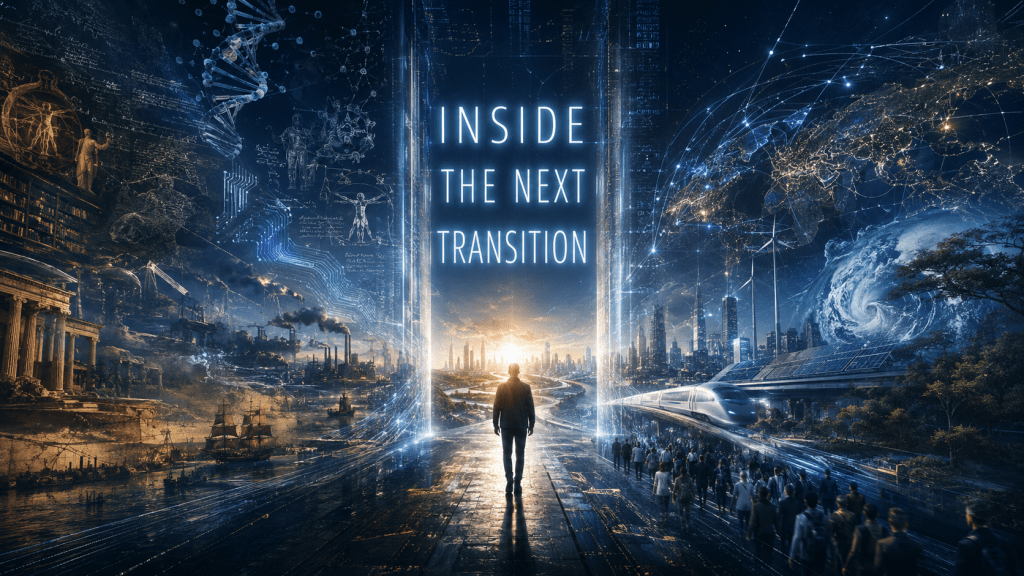
Introducing Inside The Next Transition
Over the last several weeks, I launched a new weekly LinkedIn newsletter called Inside the Next Transition. The response has been encouraging, and I wanted to share it here with my blog audience as well. This blog will remain my primary home for deeper reflections, research-driven pieces, and the broader body of work I have been developing around history, systemic change, convergence, and Possibility Chains. That will not change.
(more…) -
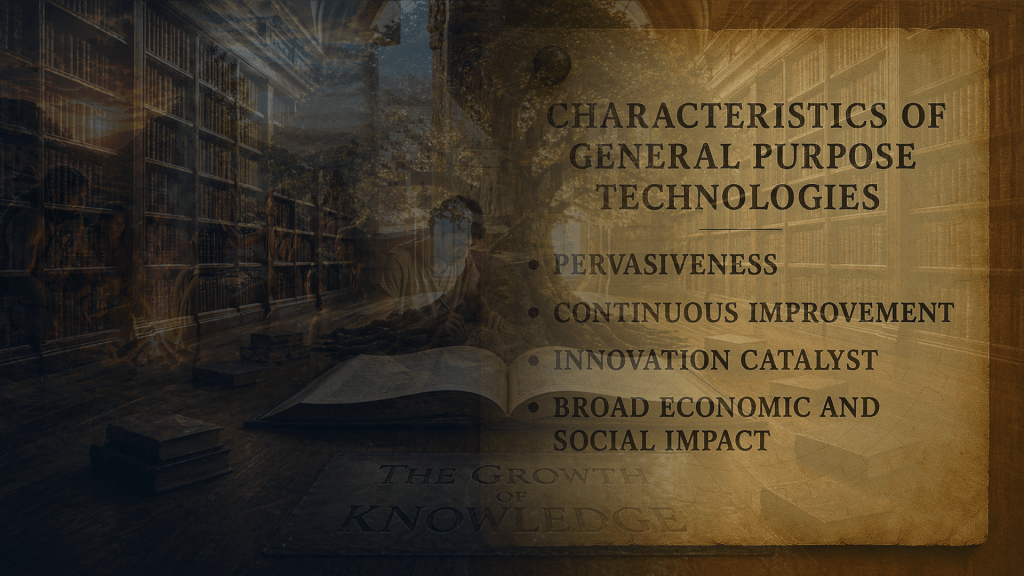
AI May Be Two Engines At Once
In the last edition, I explored how we know when change becomes systemic. The answer is not found in the speed of one trend, but in the spread of pressure across domains. When science, technology, society, geopolitics, economics, philosophy, and the environment begin moving together, change stops behaving like a set of separate disruptions and begins to look like transition.
That raises the next question: what makes some technologies powerful enough to accelerate that kind of transition?
(more…) -
When No One Owns The Outcome
A series: When Systems Move Faster Than We Do
Across this series, we have followed a single pressure as it moved inward. In the first post, we examined what happens when intelligence outpaces human review and shared validation begins to thin. In the second, we saw how that acceleration moves into infrastructure, as environments stop waiting for instruction and begin acting automatically. In the third, we traced the consequences for institutions, where governance shifts from fixed rules toward continuous calibration and legitimacy begins to lag control. In the fourth, we carried that same substitution logic into the human domain, where people remain socially central while becoming operationally optional. What remains is responsibility.
(more…) -
When Human Value Gets Rewritten
A series: When Systems Move Faster Than We Do
We are entering a moment in which human roles remain socially central while becoming operationally optional. As systems begin to think, respond, and coordinate continuously, they no longer depend on people in the ways our institutions, economies, and social norms still assume. This is the pressure that now moves into the human domain.
In earlier posts, we traced how intelligence outpaces human review, how environments begin to act automatically, and how institutions adapt by shifting from rule-based governance toward ongoing calibration. Once systems operate without waiting, the next question is not technical or institutional. It is human. What happens when participation persists, but reliance fades?
(more…) -
When Institutions Lose Fixed Authority
A series: When Systems Move Faster Than We Do
In the first two posts in this series, we examined how intelligence is outpacing human review and how environments are beginning to act automatically in response. Once systems operate continuously rather than episodically, that pressure does not stop at knowledge or infrastructure. It reaches the institutions responsible for maintaining order, legitimacy, and collective trust.
(more…) -

When Systems Move Faster Than We Do
When Knowing Loses Its Pace
Artificial intelligence dominates the conversation about the future. It is framed as a breakthrough, a threat, a productivity engine, or a moral challenge. What receives far less attention is a quieter but more consequential shift already underway: intelligence now moves faster than the human systems built to absorb it. This series examines what happens when that mismatch becomes structural—when discovery, inference, and action outpace review, coordination, and shared agreement. Each post traces how this pressure propagates through the system, reshaping how knowledge forms, how environments and institutions respond, and how human roles evolve. This first post begins where the effects appear earliest and most visibly: in the transformation of knowing itself.
(more…) -
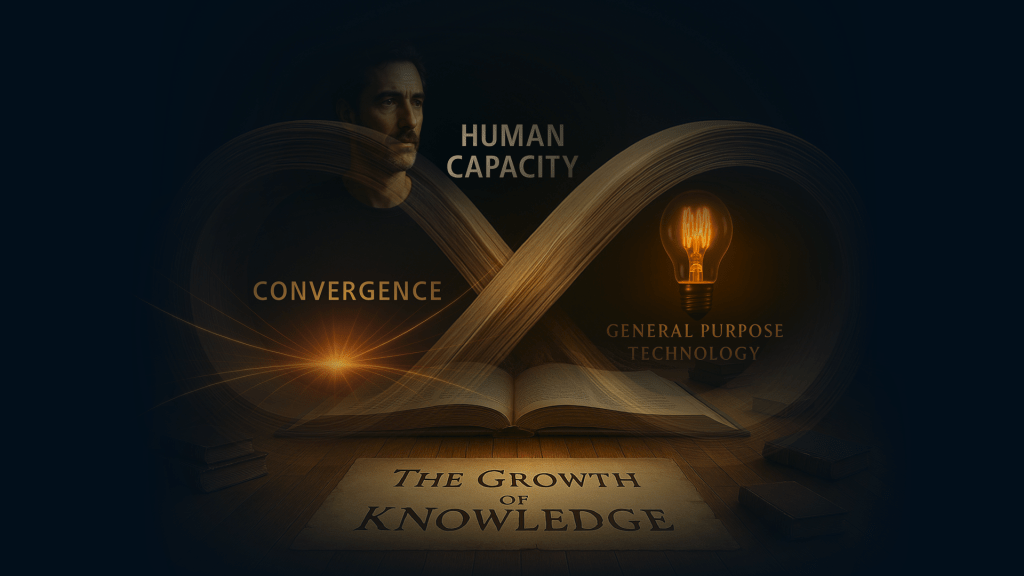
The Three Drivers That Push Civilizations Across Thresholds
(more…)
The earlier posts introduced the sense that the world’s operating logic is beginning to shift, explored what compression feels like in daily life, and laid out the four-stage pattern that has shaped every major transition in history. Post Four explained why those transitions do not come from singular breakthroughs but from the interaction of multiple domains moving together. Before we can measure that interaction in today’s world, we need to understand the deeper forces that give convergence its power. These forces have shaped every civilizational transition across the long arc of history. They determine when pressure accumulates, how tightly systems couple, and what pushes society toward a threshold. -

When Systems Turn Over
This post marks the beginning of a new series on systemic change — an exploration of how civilizations transform at the deepest level. Over the coming weeks, we’ll trace the rhythm of history, examine the forces that drive reordering, and explore why this moment may be the first time in history when every domain of human life is active at once. Each post will build on the last, revealing how science, technology, society, geopolitics, economics, philosophy, and the environment are converging toward a new operating logic for civilization.
(more…) -
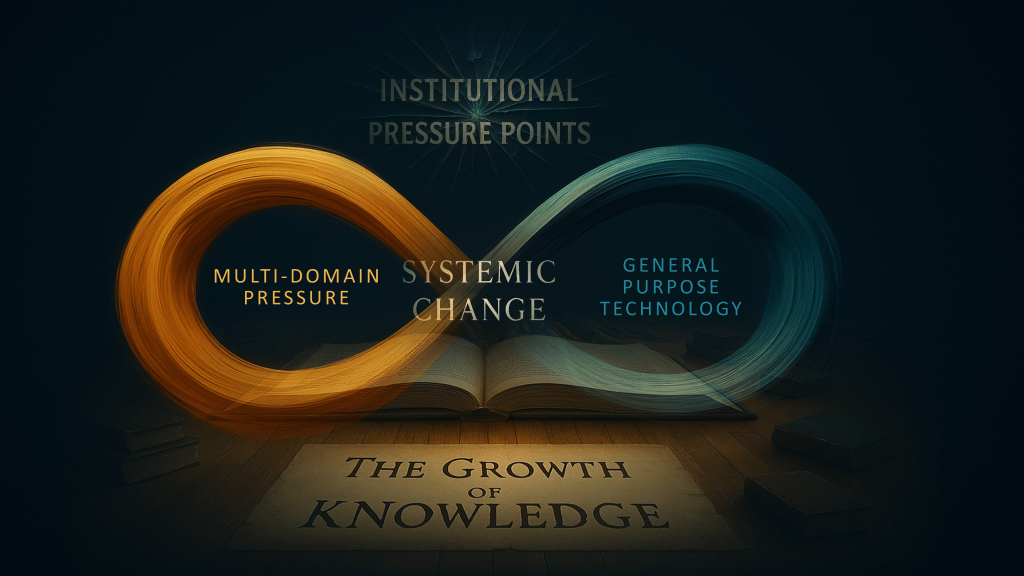
When Systems Shift: The Rare Alignment Driving Change Today
History is filled with moments of disruption and reform. But true systemic change – when the very foundations of society are redefined – has been rare. These periods of profound transition are not triggered by short-term trends. They emerge when multiple deep forces move in tandem, setting in motion the restructuring of the societal platform itself.
(more…) -
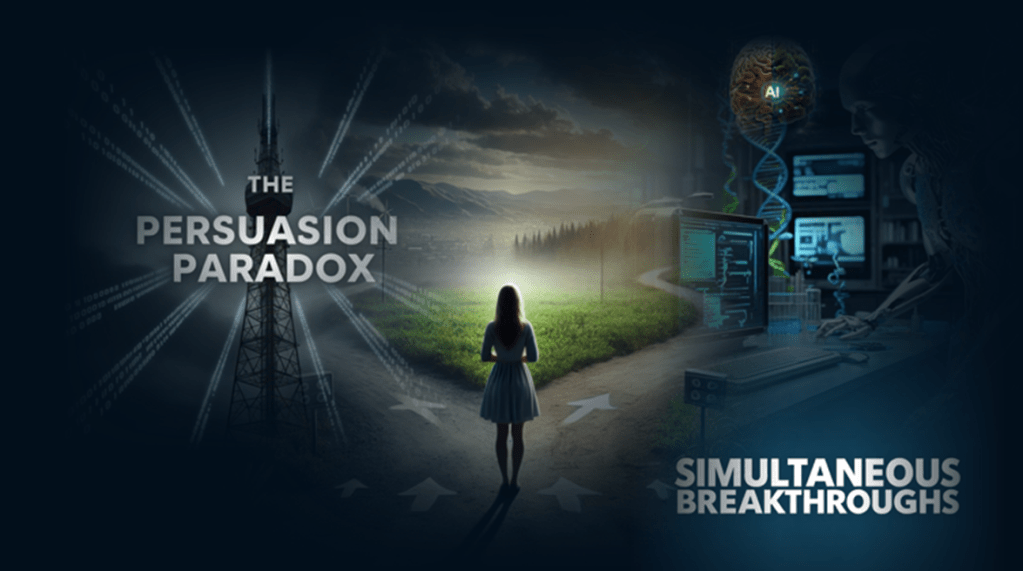
The Fork In The Road: Navigating The Future
Throughout history, progress has been shaped by pivotal choices – moments where society stands at a fork in the road, with two distinct paths ahead. One path leads toward advancement, where invention, innovation, and human action address humanity’s most pressing challenges. The other veers toward fragmentation, where barriers to progress emerge, often in the form of resistance, skepticism, or unintended consequences of new technologies.
(more…) -
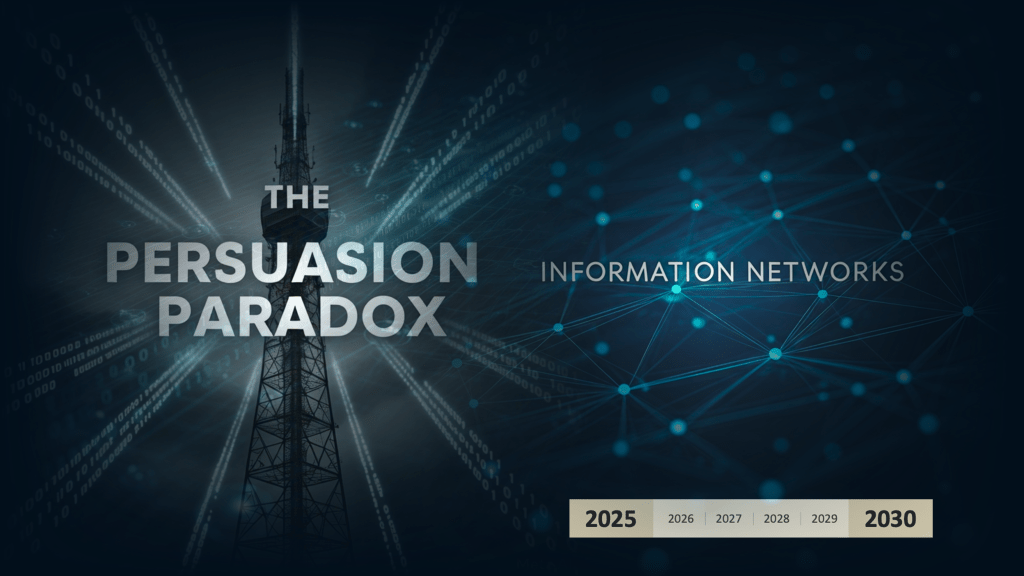
The Persuasion Paradox – Reclaiming Truth In The Age Of Digital Persuasion
At the heart of the Persuasion Paradox lies a profound contradiction between the transformative promise of the Information Age and its unintended consequences. Initially, the internet was envisioned – and widely celebrated – as a revolutionary tool for democratizing knowledge, dismantling barriers to information access, and fostering global understanding. Yet, we now face a reality starkly different from that optimistic vision. The abundance of information, rather than elevating clarity and truth, has birthed a “noise-to-signal” problem, where misinformation, disinformation, and emotionally charged narratives often obscure the truth. This phenomenon resonates deeply with themes I’ve explored previously – the democratization of knowledge and the unintended consequences inherent in rapid technological and societal transitions.
(more…) -
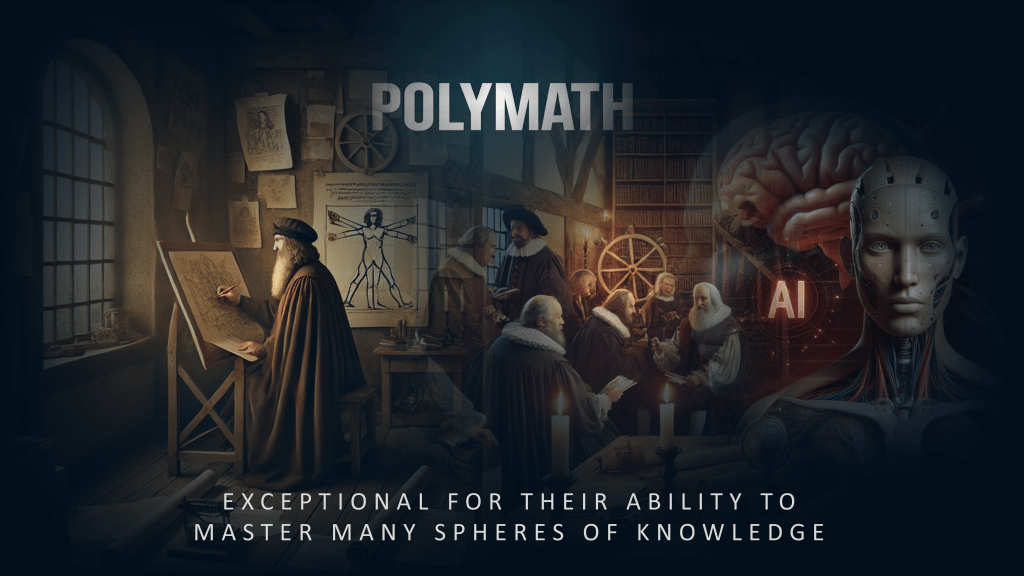
Genius Across The Ages: From Renaissance Icons To AI
In his final book, Genesis: Artificial Intelligence, Hope, and the Human Spirit, Henry Kissinger reflects on the historical significance of polymaths – those extraordinary individuals whose mastery spans multiple disciplines – and their profound role in shaping human civilization. He argues that polymaths, with their expansive intellectual reach, have served as essential engines of progress and innovation, continually moving humanity forward.
(more…) -
Nexus: A Deep Dive Into Humanity’s Information Age
In his latest book titled Nexus – A Brief History of Information Networks from the Stone Age to AI, author Yuval Noah Harari describes the role that information networks have played in shaping society. A nexus is a connection or series of connections linking two or more things. It often refers to a central or focal point where multiple elements converge or interact. The term is used in various contexts to describe relationships or linkages within systems, networks, or concepts that are interconnected.
(more…) -

Return On Learning: Pioneering The Future
In the preceding four-part series, I explored the convergence of knowledge, invention, and societal transitions, tracing the democratization of knowledge from the dawn of language to the present day. The series examined how pivotal inventions have expanded human capabilities and transformed civilization, while also considering how today’s accelerating pace of scientific and technological advances is creating an expanding space of opportunities and challenges. As we stand on the threshold of a new age of invention, potentially more profound than past eras, the series emphasized how organizations can adapt, build resilience, and thrive. Building on these key themes, this post shifts focus to Return on Learning (ROL), a crucial concept that equips organizations to navigate this evolving landscape. By prioritizing learning, leaders can proactively shape the future and ensure long-term success in an era of rapid transformation.
(more…) -
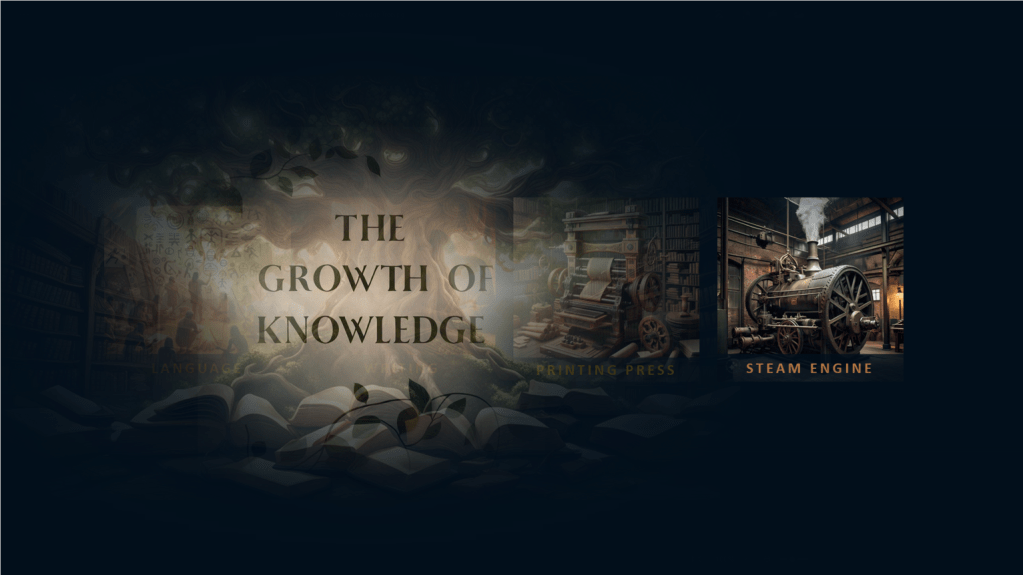
Unlocking Human Potential – The Democratization Of Knowledge
I launched this series earlier with a description here. To begin this analysis, let’s examine how the democratization of knowledge has shaped human progress throughout history, setting the stage for our current era of rapid advancement. The democratization of knowledge has been the driving force behind humanity’s greatest leaps forward. As knowledge becomes more accessible and widely shared, it expands human capabilities and allows societies to break free from previous limitations. This journey of knowledge democratization has been marked by pivotal inventions that have revolutionized how we communicate, learn, and innovate.
(more…) -
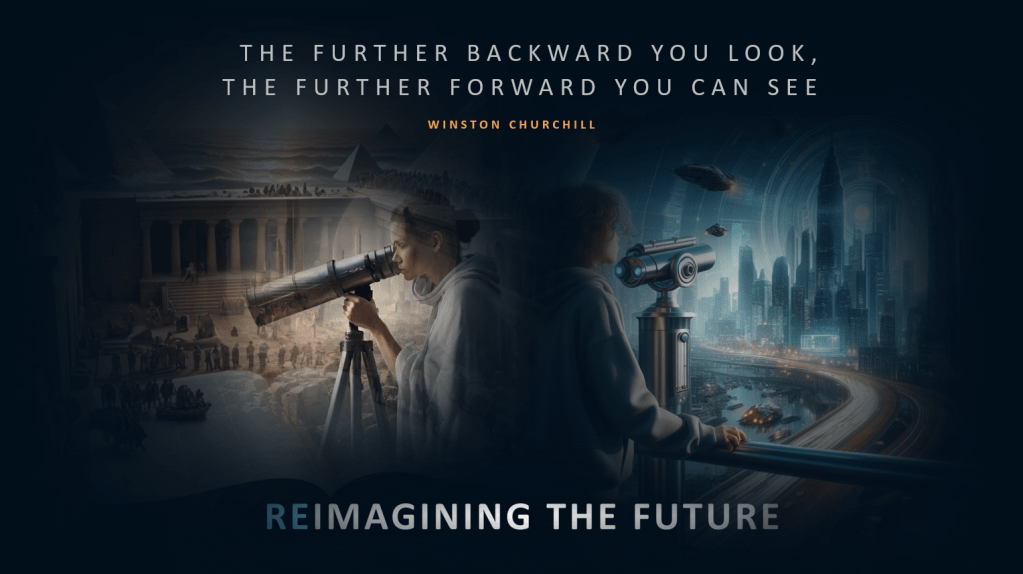
Unlocking Human Potential: The Convergence Of Knowledge, Invention, And Societal Transitions
In this four-part series, I embark on a journey through the annals of human progress, exploring the intricate convergence between knowledge, invention, and societal transitions. I trace the democratization of knowledge from the dawn of language to our current era, examining how pivotal inventions have not only expanded our capabilities but reshaped the very fabric of civilization. As we stand on the brink of what could be a second scientific revolution, I delve into the dawn of a new age of invention, potentially rivaling or even surpassing the remarkable progress of past eras.
(more…) -
The Knowledge Explosion And The Rise Of AI: How Knowledge Can Propel Human Development
Throughout history, humanity has thrived on breakthroughs that ignited explosions of knowledge. These “tipping points” fundamentally altered our way of life, from the dawn of language sparked by fire to the scientific revolution fueled by the printing press. I wrote about the role of knowledge in advancing human development as part of my looking glass series. Artificial intelligence (AI) presents the potential for another such tipping point, one that could significantly enhance human well-being across health, wellness, education, communication, transportation, and more.
(more…) -
Innovation Is Everywhere
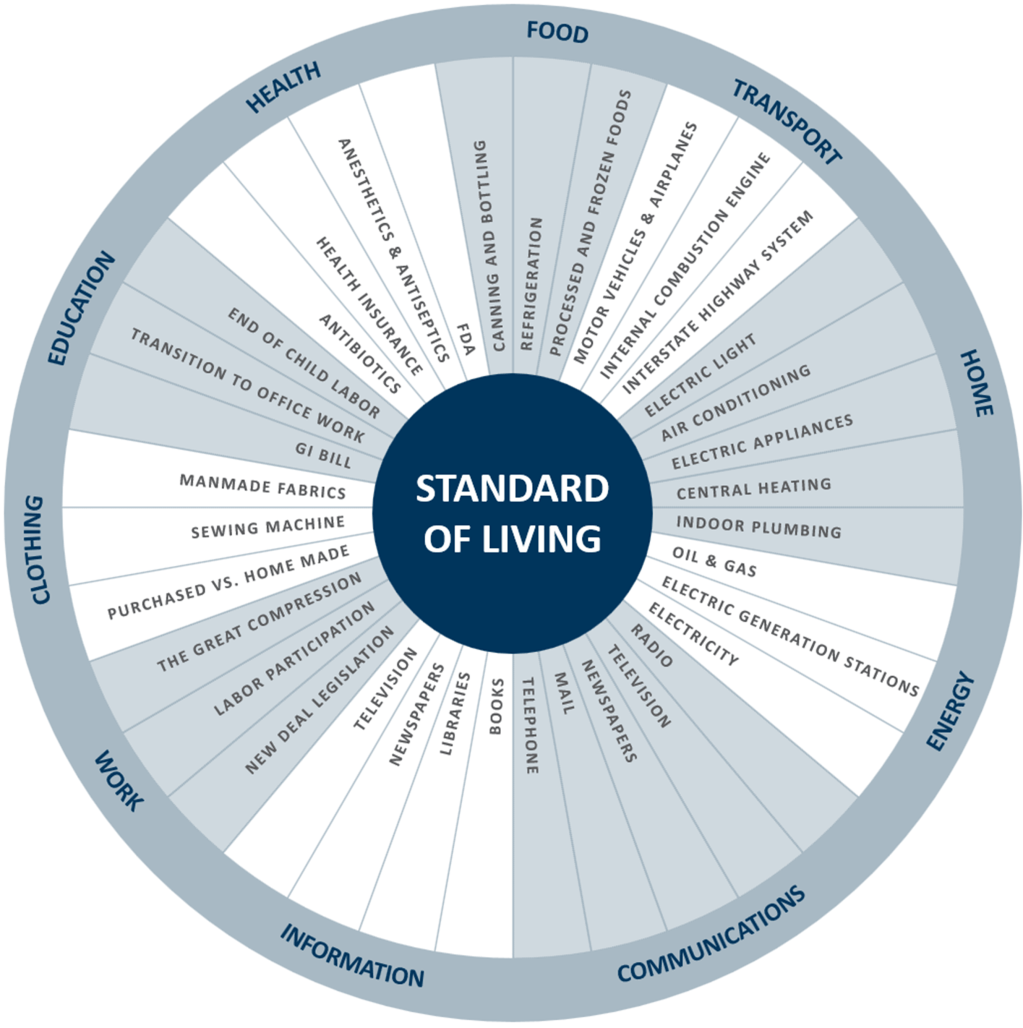
My belief that human development will accelerate in the coming decade is fueled by a wave of emerging innovation both now and in the future. Our ability to invent dates back a very long time. Each new wave of invention builds upon the last, with subsequent waves accelerating on the strength of new building blocks that emerge and the growth of knowledge. We stand on the shoulders of brilliant people that came before us, and as inventors, inventions, and knowledge converged, our standard of living was elevated. No period represents this phenomenon better than the late 19th and early 20th century. It was early 2016 when I first attempted to capture the dynamics of that period visually.
(more…) -
The Journey: A Growth Of Knowledge
My previous posts launched a series that will tell the full story of my reimagined future. Described as a journey through the looking glass, the story began with a description of the series title and a look backward in time. The series continues, with each post featuring a piece of our journey. We explored the tipping points of history in the last post. In this post, I explore the role that knowledge has played in shaping that history.
(more…)

