The Real Demographic Crisis Is Institutional

A recent article by Dan Pontefract uses Japan as a warning about demographic decline, pension strain, and government inaction. That framing is useful, but I believe the bigger story sits beneath it. Japan is not just a country in trouble. It is an early stress test for a much larger structural problem now moving across the developed world.

We often talk about demographics as if they were simply about aging, retirement, or falling birth rates. They are much more than that. Demographic change is a slow systems disruption. It gradually weakens the assumptions that modern economies were built on: a growing workforce, a stable ratio between workers and retirees, predictable career paths, and public systems designed for shorter lifespans and larger families. Once those assumptions begin to break, the pressure does not stay contained. It moves through the labor market, economic growth, healthcare systems, pension models, public finance, and the basic design of work itself.

Continue reading
A Different Kind Of Disruption: Skills, Invention, And The Future Of Work

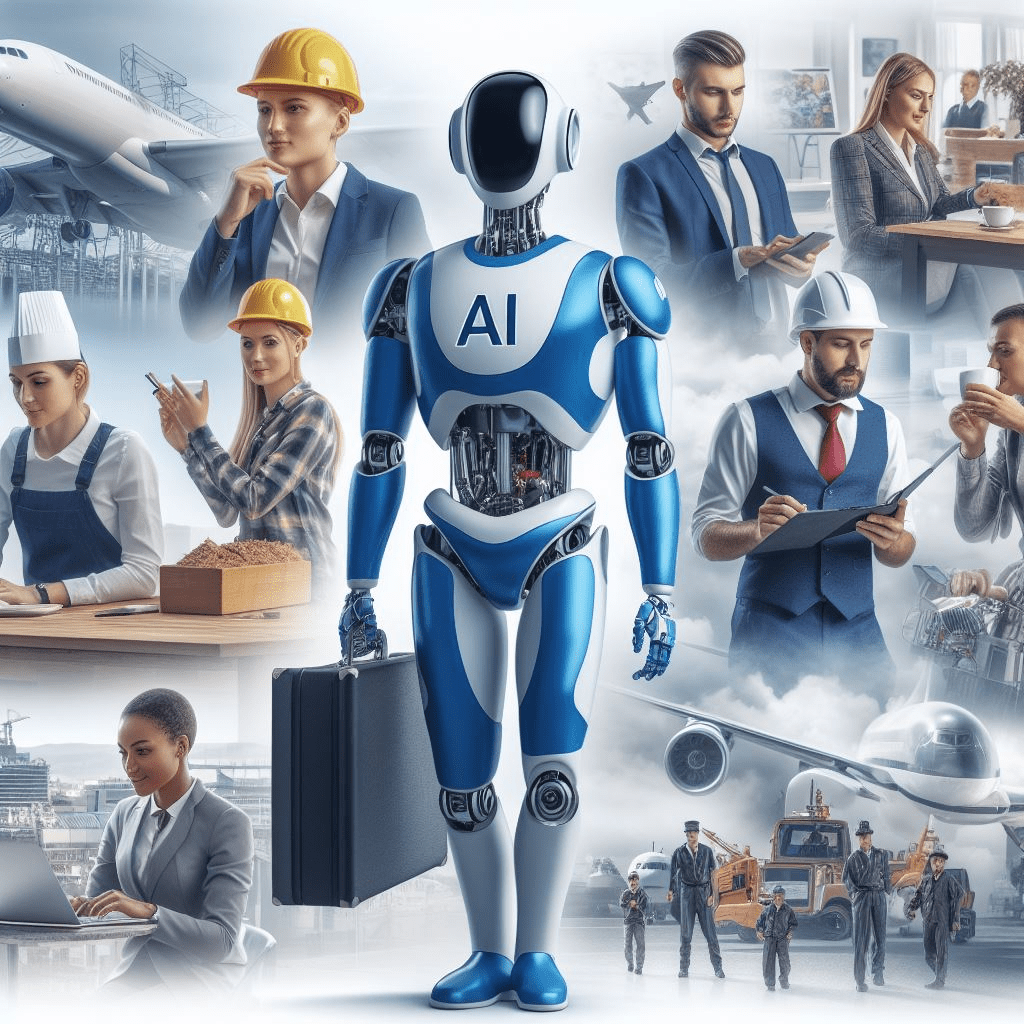
As the world enters what may be the most transformative period since the dawn of industrialization, comparisons to past eras of great invention are both understandable and necessary. The steam engine, electrification, and mass production systems redefined economies, reshaped societies, and triggered massive employment shifts. Today, artificial intelligence, quantum computing, and synthetic biology are poised to do the same. Yet beneath the surface of these historical parallels lies a crucial divergence – one that could reshape not just work, but the social fabric itself.

Continue reading

Navigating The Workforce Shift

In a recent article, Don Reisinger describes a consortium formed to address the impact of jobs lost to AI. In an era where technological advancements have the potential to reshape industries at an unprecedented pace, concerns about the displacement of jobs due to artificial intelligence (AI) adoption have reached a critical juncture. Acknowledging this challenge, several leading tech companies, deeply entrenched in the realm of AI, have joined forces to mitigate the impact of job loss and facilitate workforce transitions.

Continue reading

Embracing Tomorrow: Futurists’ Optimism On AI And The Future Of Work

In today’s rapidly evolving landscape, the role of futurists in enterprises is paramount. These visionaries not only anticipate possible futures but also guide companies in preparing for what lies ahead. Unsurprisingly, technology trends often dominate these discussions, with the potential of Artificial Intelligence (AI) sparking both celebration and concern. That’s why Futurists here at TCS decided to launch a study titled Working Towards the Future.

The survey reveals an overwhelming sense of optimism among futurists regarding AI’s impact, particularly in the realm of work. A staggering 90% of surveyed futurists express optimism about the changes AI will bring, with nearly half of them being very optimistic. This optimism extends to AI’s potential contributions to employee health and wellness, as 72% of participants foresee significant positive impacts.

Continue reading

The Modern Workforce: Four Crucial Shifts

Here is the summary of a recent article I wrote for the Insurance Innovation Reporter. Please visit their site to see the full Article.

Accelerating advancements in science and technology have set the foundation for massive shifts in the decades ahead, yet we continue to operate on a platform meant for a different time. This platform has hit a productivity wall, and a new emerging platform has changed the expectations of those we engage with. As they advance, these shifts will challenge our long held beliefs and intuition, while changing long standing business models across industries. In the face of this, organizations must unlearn what they know and embrace new ways of thinking. This is especially important in our approach to the workforce and the evolution of our management paradigm. How we lead the modern workforce will require change, and it starts with four crucial shifts: embrace a new way of working, move towards a collaborative management paradigm, value human characteristics, and plug into the emerging platform.