
In a time of unprecedented change, our society finds itself at the crossroads of transition. If we accept that we are in the Crisis phase of what historians William Strauss and Neil Howe term The Fourth Turning – a cyclical theory suggesting that societies repeatedly cycle through periods of stability and upheaval – we must confront a crucial question: Are we choosing to proactively unlearn outdated models, or will we be forced to do so reactively in the wake of crisis?
Continue readingNeil Howe
The Fourth Turning: A Prophetic Lens On Our Turbulent Times
UPDATED FEBRUARY 5TH 2025. The Fourth Turning and its sequel have resonated deeply with readers because they offer a framework for understanding the cyclical nature of history, particularly during times of uncertainty. The books propose that history unfolds in repeating patterns, each marked by distinct generational archetypes and societal moods. According to the authors’ model, we entered a “Crisis” period around 2008, marked by economic turmoil and a growing sense of societal unease. Now, over a decade later, many feel that we are approaching a critical juncture, the resolution of this Crisis, though the precise nature of that resolution remains unclear. This sense of approaching a culmination, combined with the current climate of rapid technological change, political polarization, and global instability, makes the framework offered by The Fourth Turning particularly compelling.
Continue readingLearning From The Past: Unlearning For The Future
In an era of rapid change, the traditional understanding of literacy has become increasingly insufficient. Historically, literacy was defined simply as the ability to read and write – fundamental skills that enabled individuals to participate in society. However, as Alvin Toffler wisely pointed out, the definition of literacy in the 21st century has expanded far beyond these basic abilities. Today, true literacy encompasses the capacity to continuously learn new skills, let go of outdated knowledge, and acquire fresh perspectives. This shift reflects the profound changes in our world, where scientific and technological advancements, societal shifts, geopolitical tensions, and economic uncertainty are constantly reshaping the demands placed on individuals.
Continue readingRevolutionary Reflections: Harnessing Historical Wisdom
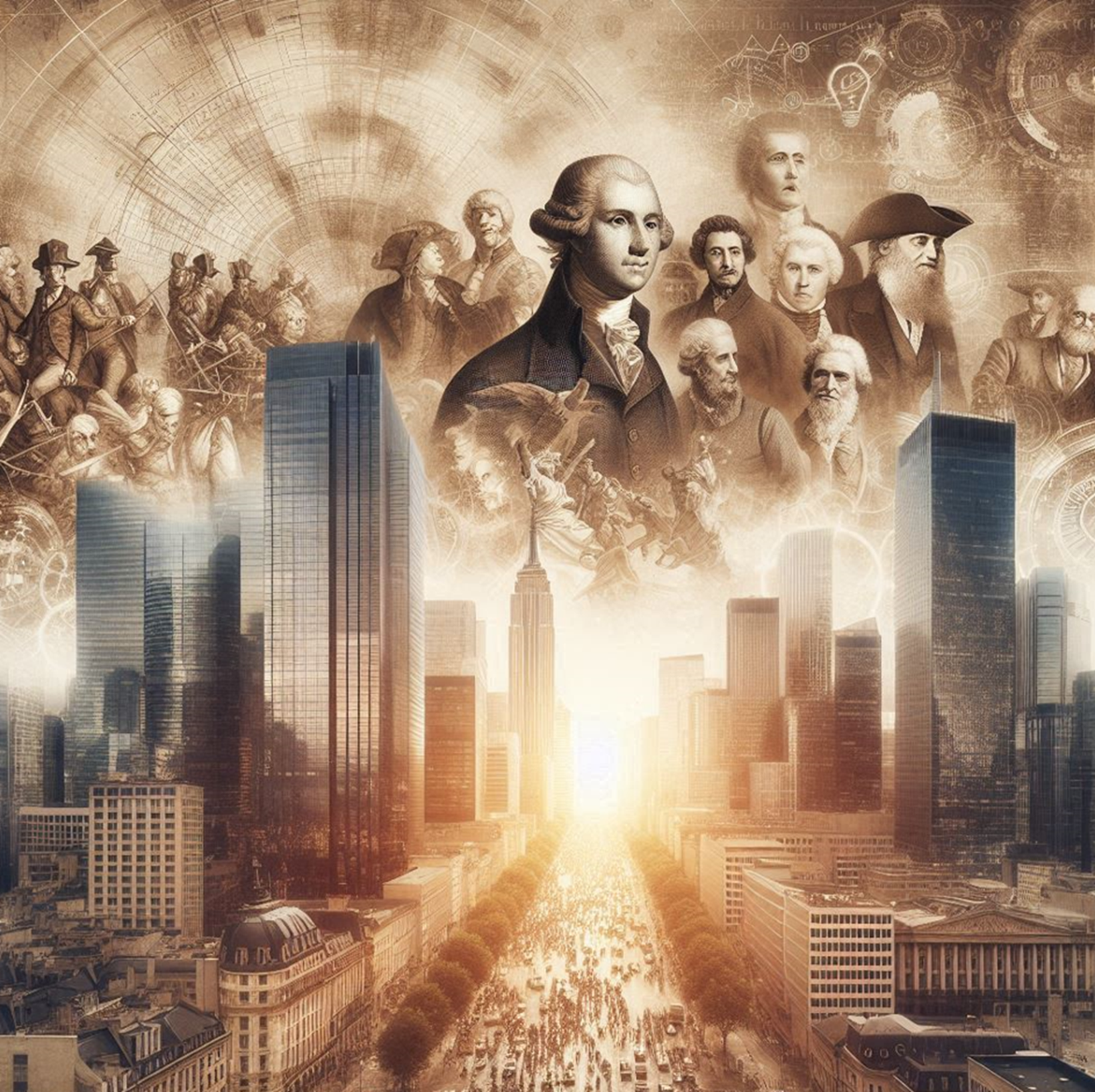
As I described in my recent post, Fareed Zakaria’s recent book, “Age of Revolution,” provides an examination of the forces that shaped our modern world. From the revolutions of the past, Zakaria articulates the seismic shifts that have redefined global dynamics, influenced political landscapes, and reshaped societal structures. In a world that looks eerily like prior periods of revolution, there is much we can learn by analyzing history. However, analysis is meaningless if we do not learn from the past, and historically, we have failed to do so. It was Henry Kissinger that once said: “it is not often that nations learn from the past, even rarer that they draw the correct conclusions from it.” Analyzing periods that look like our current day is the first step, but it’s the application of these lessons to our current context that enables constructive pathways.
Continue reading Reimagining the Future