
I finished reading my latest book. Harold James’ book, Seven Crashes, is a history of financial crises that have shaped globalization. The book examines seven turning points in financial history, from the depression of the 1840s through the Great Depression of the 1930s to the Covid-19 crisis. James shows how some crises prompted by a lack of supply, like the oil shortages of the 1970s, lead to greater globalization as markets expand and producers innovate to increase supply. In contrast, other crises, such as the Great Depression, led to a smaller, less prosperous world.
Continue readingDeglobalization
What History Tells Us About Human Action
Historically, it takes catastrophe to drive humans to act in periods where action is clearly needed. Wars and financial crashes are dominant catalysts throughout history. This poll considers the catalysts that drive humans to act in an era demanding action. Please take a minute to respond below. Pick those catalysts that you feel strongly about – and/or add to the list.
The Catalysts of Change
Two recent books The Fourth Turning is Here and The Coming Wave have each underscored the critical need for human action. But as I described in a post on Learning from History, it takes catalysts to drive actions that ultimately shape our future. A combination of breath-taking innovation, societal forces, depression and war, represent some of the catalysts that established a post-world war II era. As we stare into an uncertain, volatile and complex future, what are the catalysts likely to force human actions? The poll below has been conducted twice, pre-and-post pandemic. However, so much has changed since then. Please help me build on this list and identify the most significant catalysts. Choose all catalysts that you feel will contribute – or add anything that I am missing. For a deeper description of catalysts, please see the lessons from history post.
Continue readingAgainst The World
I finished reading another good book. This one focused on a twentieth century topic that has surfaced again – anti-globalism. As readers of my blog know, I believe history informs our view of the future. This book provides yet another example of how our current era mirrors the era of the early 20th century. I described those similarities here. The book’s author, Tara Elizabeth Zahra is an American academic who is a Livingston Professor of East European History at the University of Chicago. She graduated from Swarthmore College and from the University of Michigan with a PhD. The book is titled, Against the World: Anti-Globalism and Mass Politics Between the World Wars.
Continue readingThe Changing Human Life Cycle
Given the recent focus on demographics, I went back to review a book in my library titled “The Great Demographic Reversal.” In a post that reviewed the book, I mentioned that the authors state several times that their findings are controversial and counter to the views of mainstream economists. By way of review, the authors concluded that the future is one of:
Continue readingDeglobalization
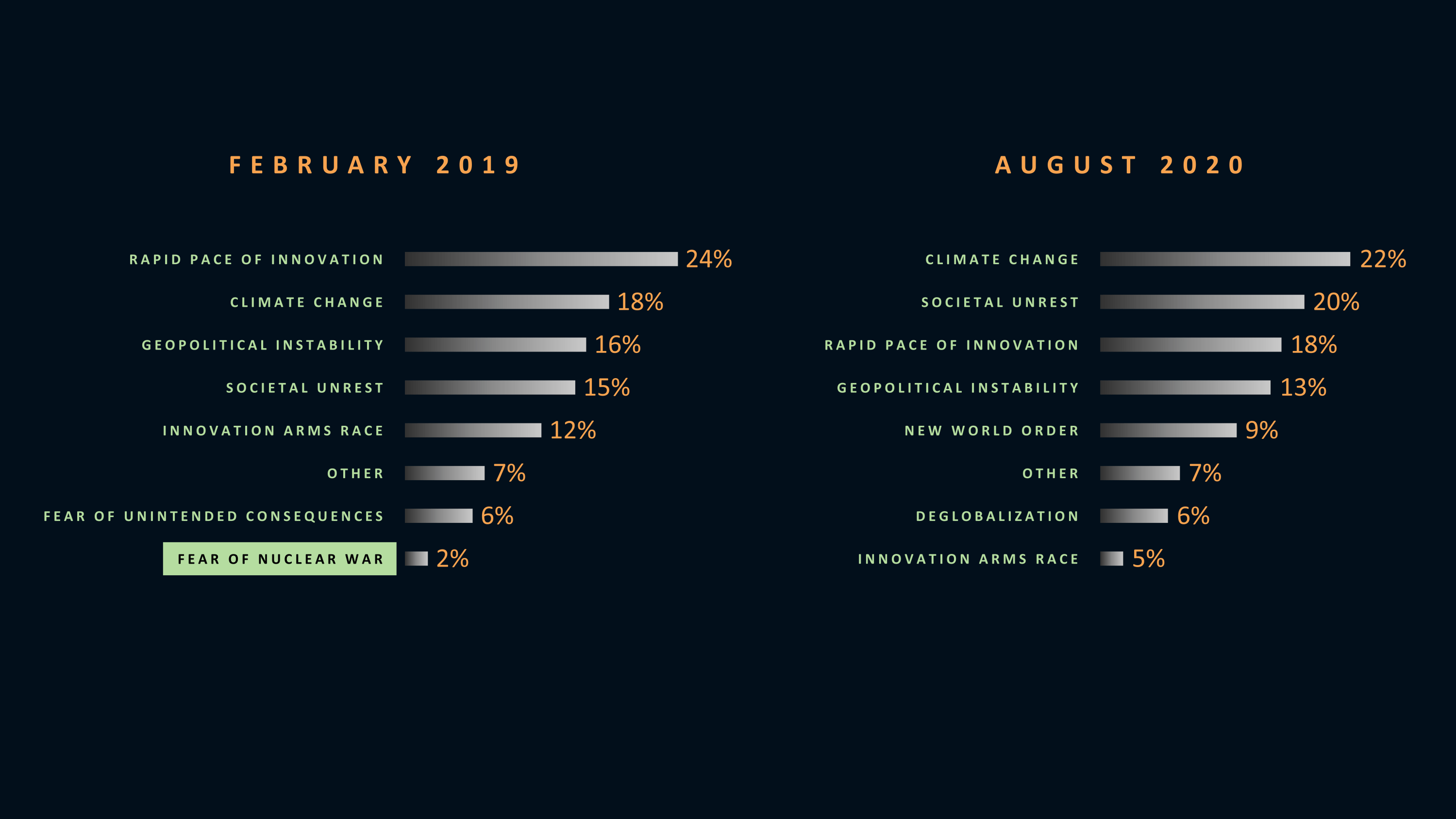
Deglobalization is a geopolitical building block with massive implications as it converges with its societal counterparts. In my August 2020 poll on the catalysts that drive change, deglobalization entered the list. It was not surprising, given the supply chain concerns that emerged in the early days of the pandemic. But is deglobalization likely? This recent article explores that question.
Continue readingAdvancing Human Development: The Catalysts Of Change
More votes have come in since I last reported on my poll. The question based on history is this: what catalysts drive human action in the future? It took two world wars and a great depression to drive humans to act in ways that prevented reoccurrence and advanced human development. In a world that looks eerily similar to that era, we once again wonder about catalysts. Here are the current results.
Continue readingRevisiting The Catalysts Of Change
Seems like an eternity has past since I first launched this Poll on the catalysts that drive human action. As I mentioned back then, one of our Lessons from History was the presence of catalysts that drove actions that ultimately shaped our future. The major catalysts of the second revolution were astounding levels of innovation, World War One, The Great Depression, World War Two, and the eventual democratization of innovation. The question I asked in the poll was: What catalysts force stakeholder actions that ultimately shape our emerging future?
What History Tells Us About Deglobalization
In looking at a Post Pandemic Society, I took a Journey to the 1920s and 1930s to understand what history might tell us about our emerging future. I have been amazed at the eerie similarities between our present day and that period a century ago (see visual below). If anyone is interested in exploring the cycles of history, I highly recommend the book The Fourth Turning. In the meantime, this recent Article explores a similar comparison to that time in history with a focus on deglobalization. Per the article:
“The post-pandemic world economy seems likely to be a far less globalized economy, with political leaders and the public rejecting openness in a manner unlike anything seen since the tariff wars and competitive devaluations of the 1930s.”
 Reimagining the Future