
In today’s rapidly evolving landscape, the role of futurists in enterprises is paramount. These visionaries not only anticipate possible futures but also guide companies in preparing for what lies ahead. Unsurprisingly, technology trends often dominate these discussions, with the potential of Artificial Intelligence (AI) sparking both celebration and concern. That’s why Futurists here at TCS decided to launch a study titled Working Towards the Future.
The survey reveals an overwhelming sense of optimism among futurists regarding AI’s impact, particularly in the realm of work. A staggering 90% of surveyed futurists express optimism about the changes AI will bring, with nearly half of them being very optimistic. This optimism extends to AI’s potential contributions to employee health and wellness, as 72% of participants foresee significant positive impacts.
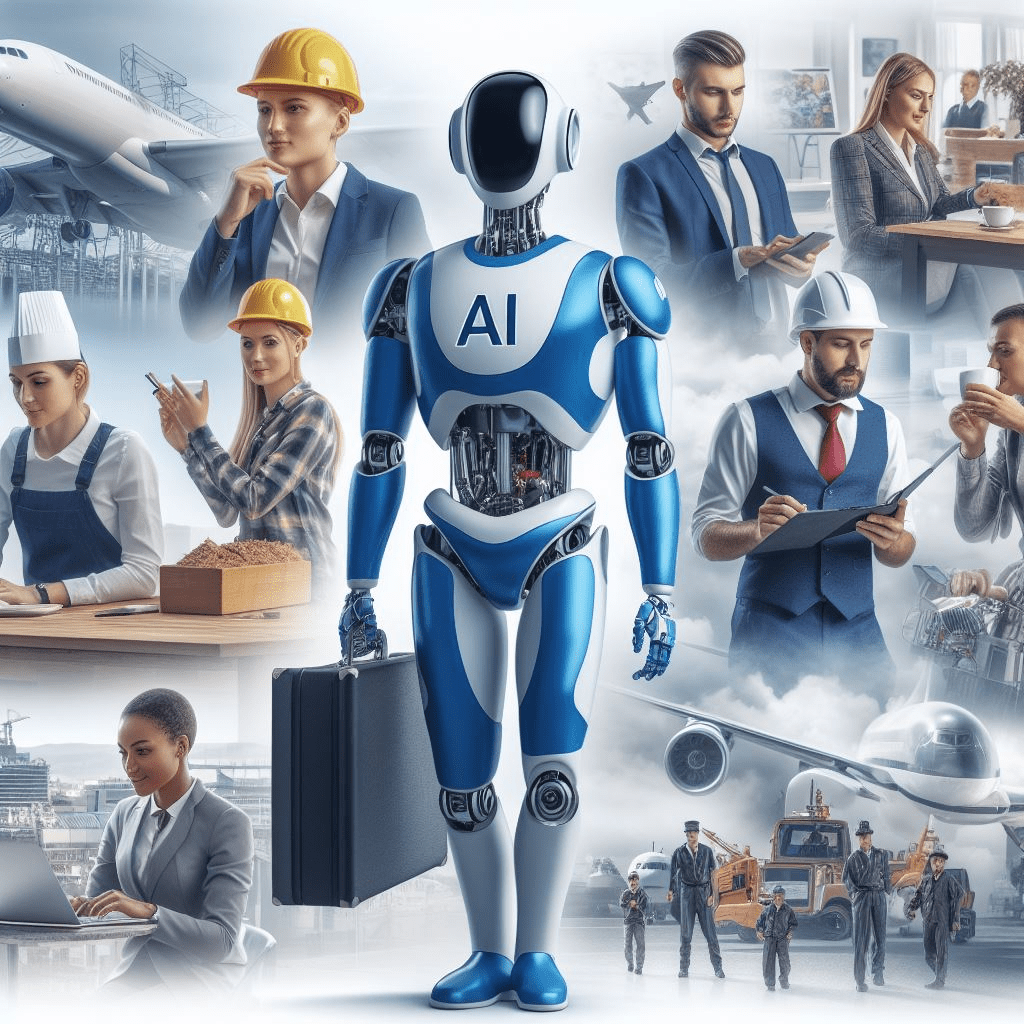
One of the most profound transformations anticipated is the evolution of traditional work structures. As AI adoption increases, around 70% of respondents predict a shift towards hybrid or remote work models for roles previously confined to onsite locations. This shift not only promises greater autonomy and flexibility for employees but also hints at the potential for a four-day work week in the future.
However, while the potential benefits of AI in the workplace are vast, they are not without challenges. Experts remain divided on the likelihood of companies officially adopting a four-day workweek, emphasizing the need for societal and governmental pressure to drive such changes.
Nevertheless, the prevailing sentiment among futurists is one of cautious optimism. They envision a future where AI enhances our work experience, eliminating mundane tasks and allowing humans to focus on more rewarding and fulfilling endeavors. AI-driven solutions for employee health and wellness are also on the horizon, with the potential to revolutionize how businesses approach well-being in the workplace.
In many ways, the current discourse around AI and work parallels past transformative periods driven by technological advancements. Just as steam power and assembly lines reshaped industries in past revolutions, AI is poised to disrupt and redefine work as we know it. While challenges undoubtedly lie ahead, the consensus among futurists suggests that AI’s net impact will be positive, paving the way for a future where technology augments human potential and well-being. As we navigate this era of unprecedented change, embracing the possibilities presented by AI offers not only hope for a brighter future but also an opportunity to shape a world where work truly works for everyone. Explore our survey results here.
Discover more from Reimagining the Future
Subscribe to get the latest posts sent to your email.
 Reimagining the Future
[…] the launch of the TCS study on AI and the future of work, the discussion has centered on the positive sentiment expressed by […]
LikeLike
[…] this expanded possibility space that sits at the heart of the positive views expressed in the recent study I shared last week. The knowledge explosion fueled by AI is upon us, and it has the potential to […]
LikeLike
[…] notion of Techno-Optimism versus Techno-Pessimism comes up a lot lately. Our recent study on the topic was unanimously positive about the future of AI. Navigating our world requires a […]
LikeLike
[…] and reskilling initiatives will facilitate career transitions for affected workers. Our recent TCS study probed the futurist community and found similar optimism. The survey reveals an overwhelming sense […]
LikeLike
[…] First, the positive focus that Kevin was looking for – a focus inspired by the recent TCS Futurist Study. Second, Kevin sought additional perspectives, one from another Futurist and the other from a […]
LikeLike
[…] The speed at which innovations emerge and advance should have us questioning everything. While our study of the future was very positive, it acknowledges that it is one potential path. Here is a summary […]
LikeLike