
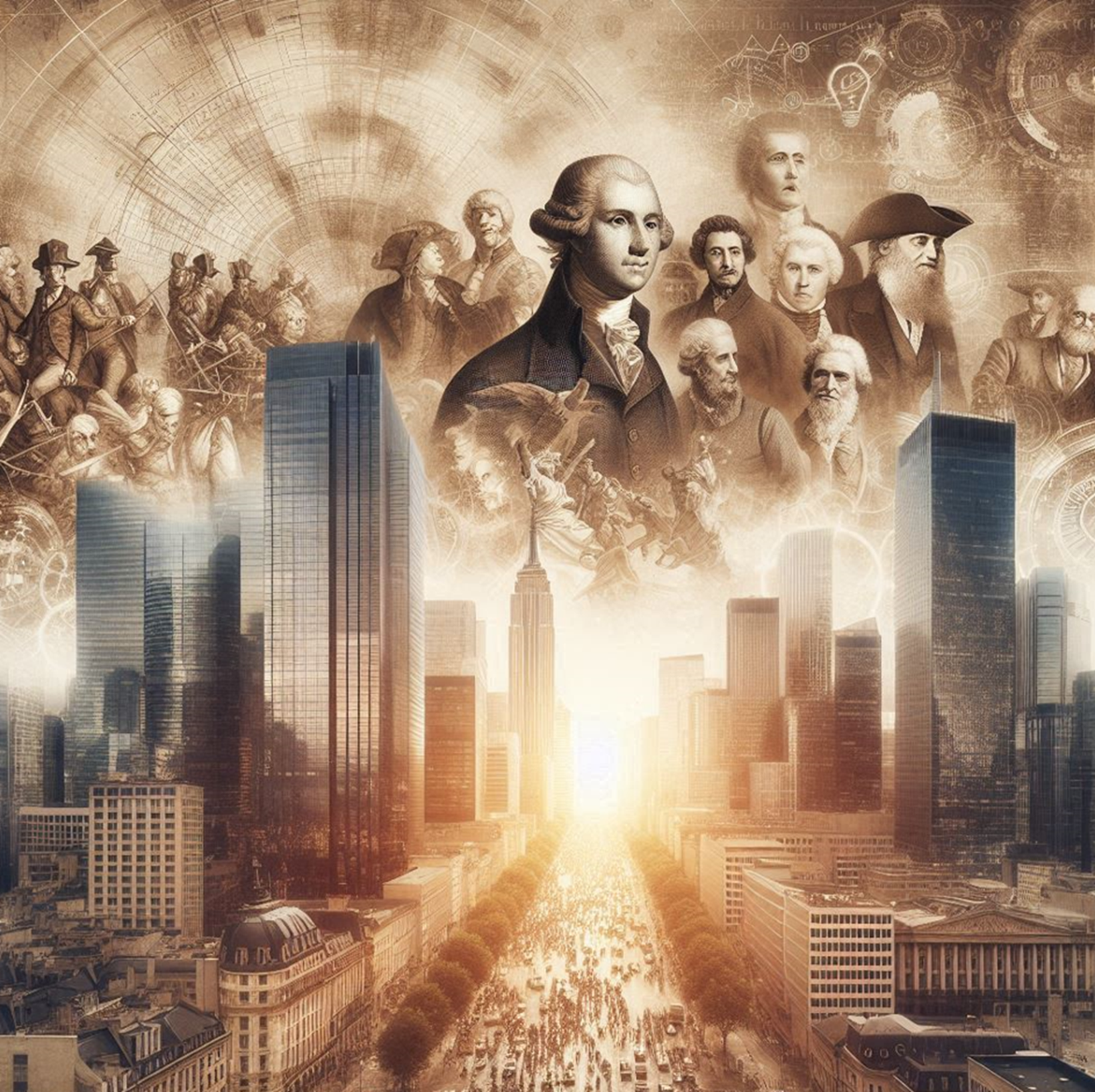
As I described in my recent post, Fareed Zakaria’s recent book, “Age of Revolution,” provides an examination of the forces that shaped our modern world. From the revolutions of the past, Zakaria articulates the seismic shifts that have redefined global dynamics, influenced political landscapes, and reshaped societal structures. In a world that looks eerily like prior periods of revolution, there is much we can learn by analyzing history. However, analysis is meaningless if we do not learn from the past, and historically, we have failed to do so. It was Henry Kissinger that once said: “it is not often that nations learn from the past, even rarer that they draw the correct conclusions from it.” Analyzing periods that look like our current day is the first step, but it’s the application of these lessons to our current context that enables constructive pathways.
Continue reading Reimagining the Future