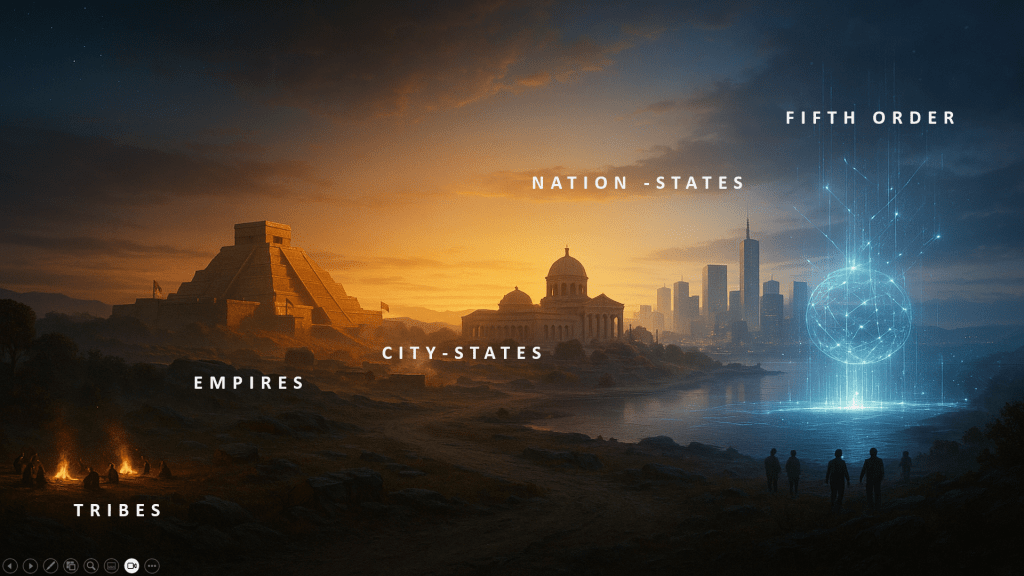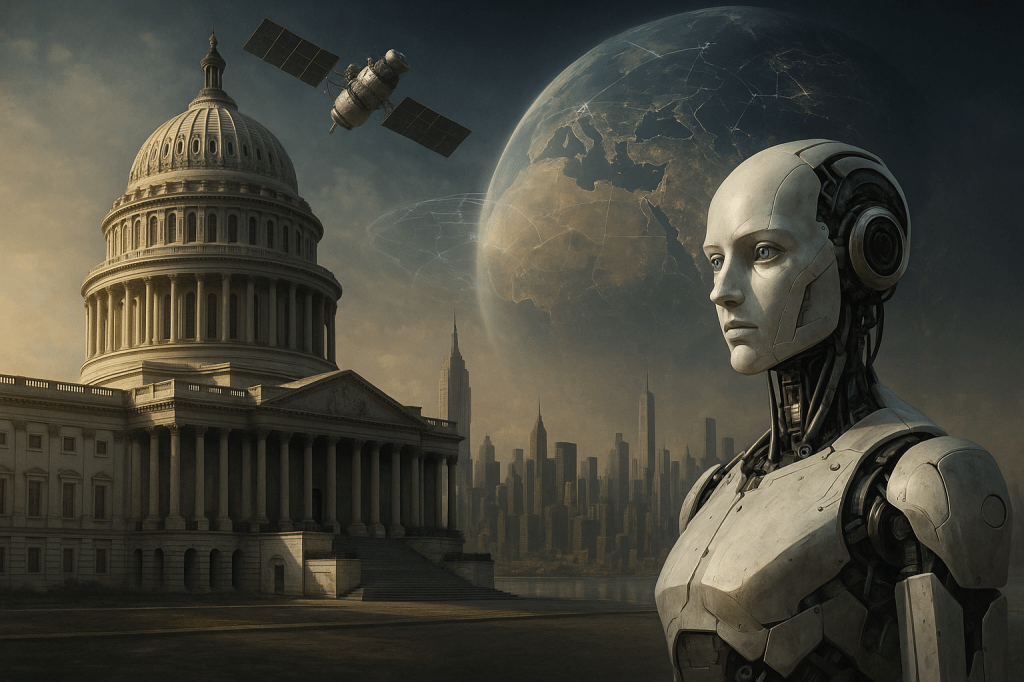
Across every domain I have explored – from education and energy to health, governance, and human longevity – one pattern keeps reappearing whenever society encounters a General Purpose Technology. These are the rare breakthroughs that do not simply make us more efficient but fundamentally restructure how civilization operates. Language, writing, the printing press, the steam engine, and electricity each changed not only what we did, but who we became. Artificial intelligence may join that lineage.
(more…)Inside the Next Transition
-

Learning in the Age of AI
I recently wrote about the evolution of learning. A recent article takes this conversation further. Here is a short summary:
(more…) -

Book Review: How Countries Go Broke: The Big Cycle By Ray Dalio
Ray Dalio has long been a student of cycles – economic, financial, and societal. His latest book, How Countries Go Broke: The Big Cycle, is a sweeping examination of how nations rise, peak, and decline, often repeating the same mistakes across history. For anyone trying to make sense of today’s turbulent geopolitical and economic environment, Dalio’s work is both a warning and a guide.
(more…) -

Learning’s Next Phase, Captured On Video
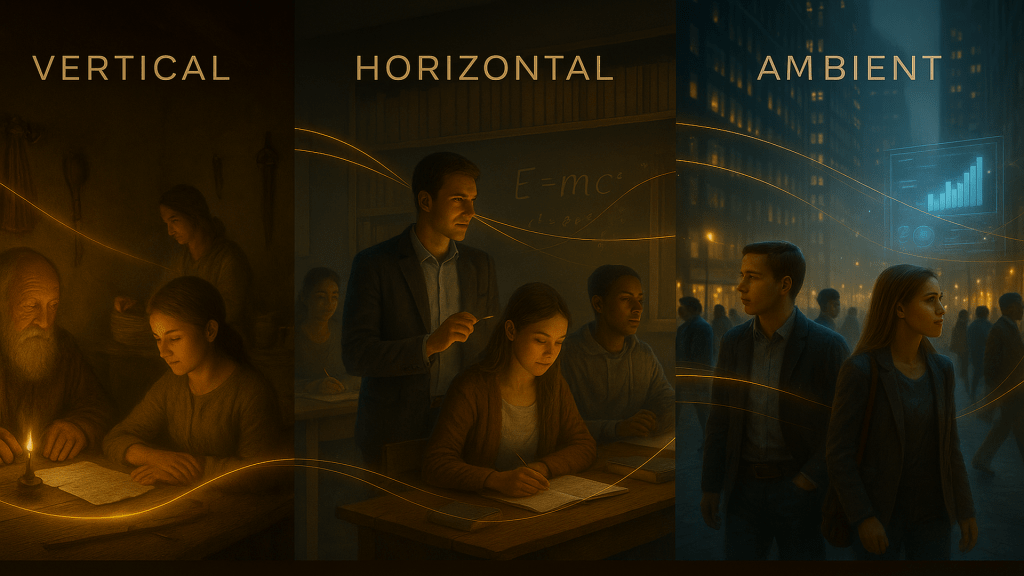
Yesterday, I explored a powerful story: how human learning has evolved from vertical to horizontal, and now toward something even more transformative – ambient.
For most of history, learning was vertical, flowing down through families and traditions. The rise of schools, books, and digital platforms expanded it horizontally, allowing knowledge to move sideways across communities and institutions. But today, a new phase is emerging: ambient learning. In this model, knowledge doesn’t just pass down or across – it surrounds us. Supported by AI, sensors, and connected environments, learning becomes ever-present, context-aware, and seamlessly woven into daily life.
(more…) -

The Evolution Of Learning: From Vertical To Horizontal To Ambient
For most of human history, learning was vertical. Knowledge flowed downward, generation to generation, through families and traditions. A farmer taught his child the rhythms of the land, a craftsperson trained an apprentice at the workbench, a parent passed on rituals of faith and culture. The family was the classroom, and survival depended on what could be remembered and repeated.
(more…) -

The Nation-State Under Pressure: Who Governs The 21st Century?
When we talk about the future of global governance, we tend to start with the world we inherited – not the one we’re building. And the world we inherited was largely shaped by an idea born in 1648, at the signing of the Peace of Westphalia: the nation-state. It was a radical organizing principle for its time – one territory, one government, one sovereignty. This model didn’t just define borders; it defined identity, allegiance, and the rules of the game for centuries.
(more…) -

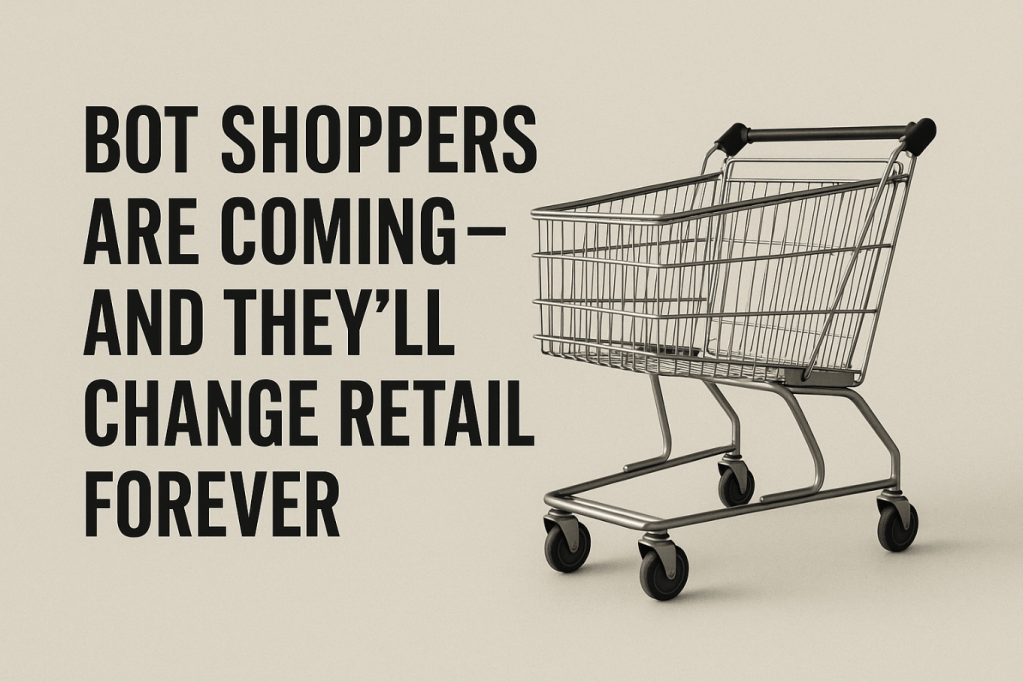
Bot Shoppers Are Coming — And They’ll Rewrite the Rules
I had a great conversation with Evan Schuman, author of a recent article on bot shoppers. As the article describes, bots are autonomous AI agents that compare, select, and buy on behalf of people – are expected to become common within 2–3 years. The piece argues most retailers aren’t ready and will need to redesign the full buying journey for machines: product data, pricing, promotion, checkout, returns, and post‑purchase support. Key challenges flagged include returns at “bot scale,” who earns loyalty points, and new fraud/liability norms (analogous to early e‑commerce’s “Zero Liability” programs).
(more…) -

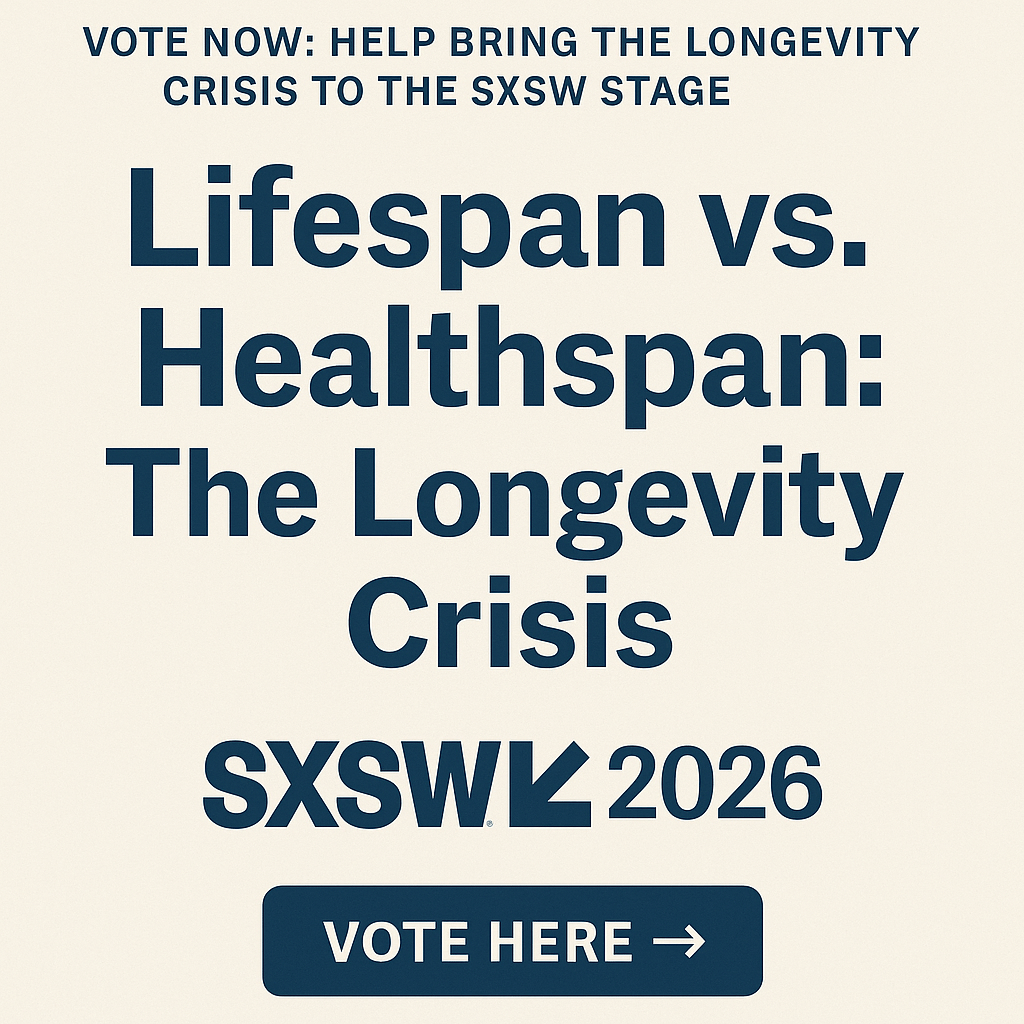
Why The Healthspan Gap Belongs On the SXSW 2026 Agenda
Last month, I wrote a piece for Time titled The Issue with Living Longer. In it, I explored a sobering reality: while global life expectancy continues to rise, the experience of those added years often falls short of what we imagine. Instead of extra time spent thriving, many people are spending those years managing chronic illness, cognitive decline, or financial instability.
(more…) -

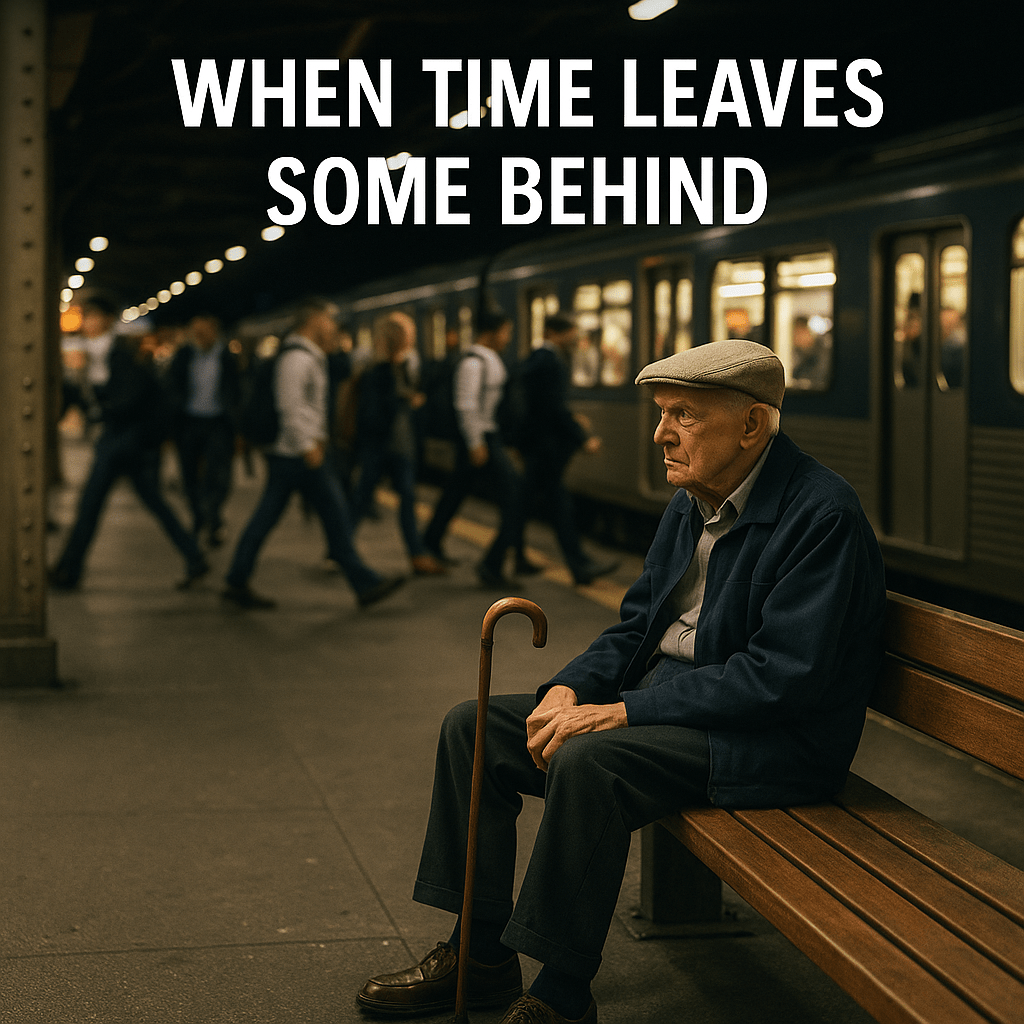
Invisible at Rush Hour
What it feels like to grow old in a society speeding past you.
The World Is Getting Older—Fast
Across the globe, populations are aging at unprecedented speed. By 2030, more than 1 in 6 people worldwide will be over 60. In countries like Japan, South Korea, Italy, and Germany, that number will be closer to 1 in 3. The dependency ratio is tipping. Pensions are under strain. Healthcare systems are overwhelmed. And in many cities, there are now more people leaving the workforce than entering it.
(more…) -

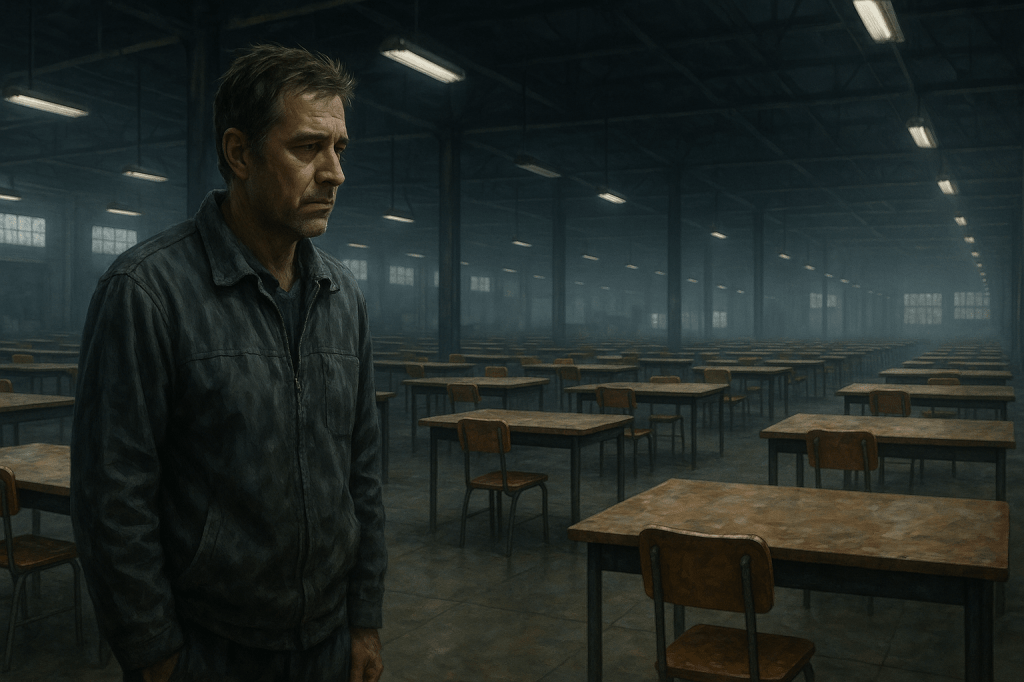
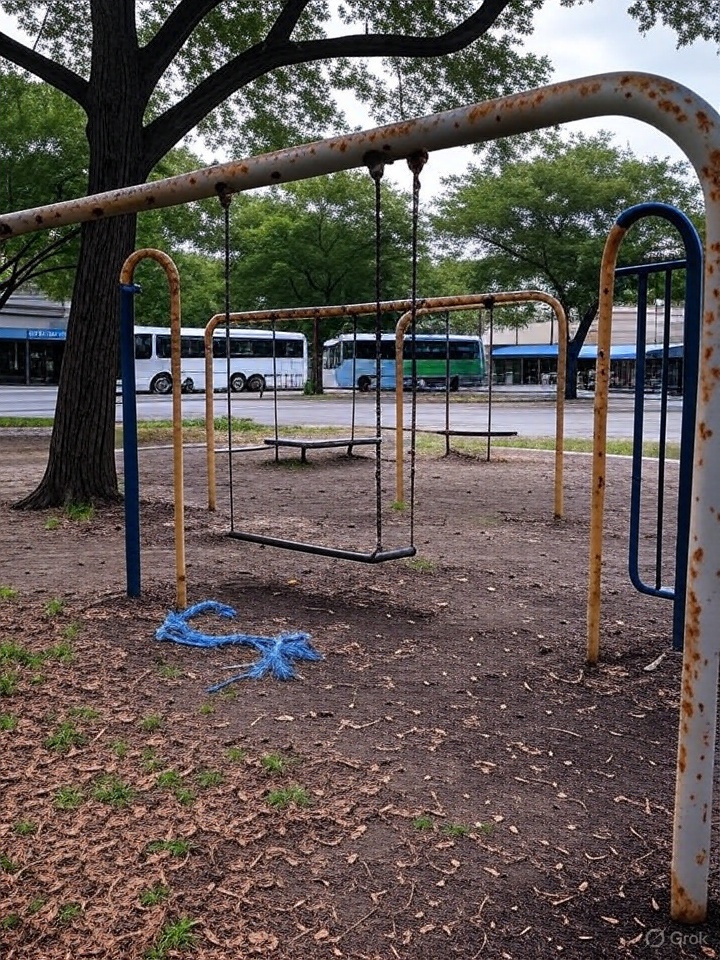
The Year the Playground Went Quiet
What falling fertility rates are telling us – and where the silence leads
Across the globe, people are having fewer children – and having them later, if at all.
Fertility rates are falling in nearly every major economy, and not just slightly. In country after country, birth rates have slipped well below the 2.1 births per woman needed to maintain a stable population. South Korea now sits below 0.8. Japan, Italy, Spain, and China all hover below 1.4. Even in the United States – long a statistical outlier – births have declined steadily for over a decade, hitting a 30-year low during the pandemic.
(more…) -

The Longevity Trap
What if living longer isn’t the gift we imagine it to be?
In this op-ed for TIME, I explore the quiet crisis that comes with rising life expectancy – a world where our bodies may outlast our purpose, our savings, and our social roles. We’ve extended human life, but not always human meaning. The piece asks a deeply personal question with global consequences: What happens when we live longer, but not better?
I unpack why the “aging society” story is about more than pensions and healthcare – it’s about identity, purpose, and the design of a future that works across all life stages. This is a call to rethink how we structure work, caregiving, community, and belonging in an era where the old assumptions no longer hold.
Read the full piece on TIME: Time Op-Ed
-

What Happens When the World Stops Trusting the Dollar?
If you’ve followed my work, you know I don’t do panic. I look for patterns—quiet shifts beneath the noise. Kenneth Rogoff’s new book, Our Dollar, Your Problem, is one of those rare signals that cuts through. It’s not about predicting collapse. It’s about asking: What happens when the system we all rely on gets stretched too far?
(more…) -

When AI Keeps Culture Alive
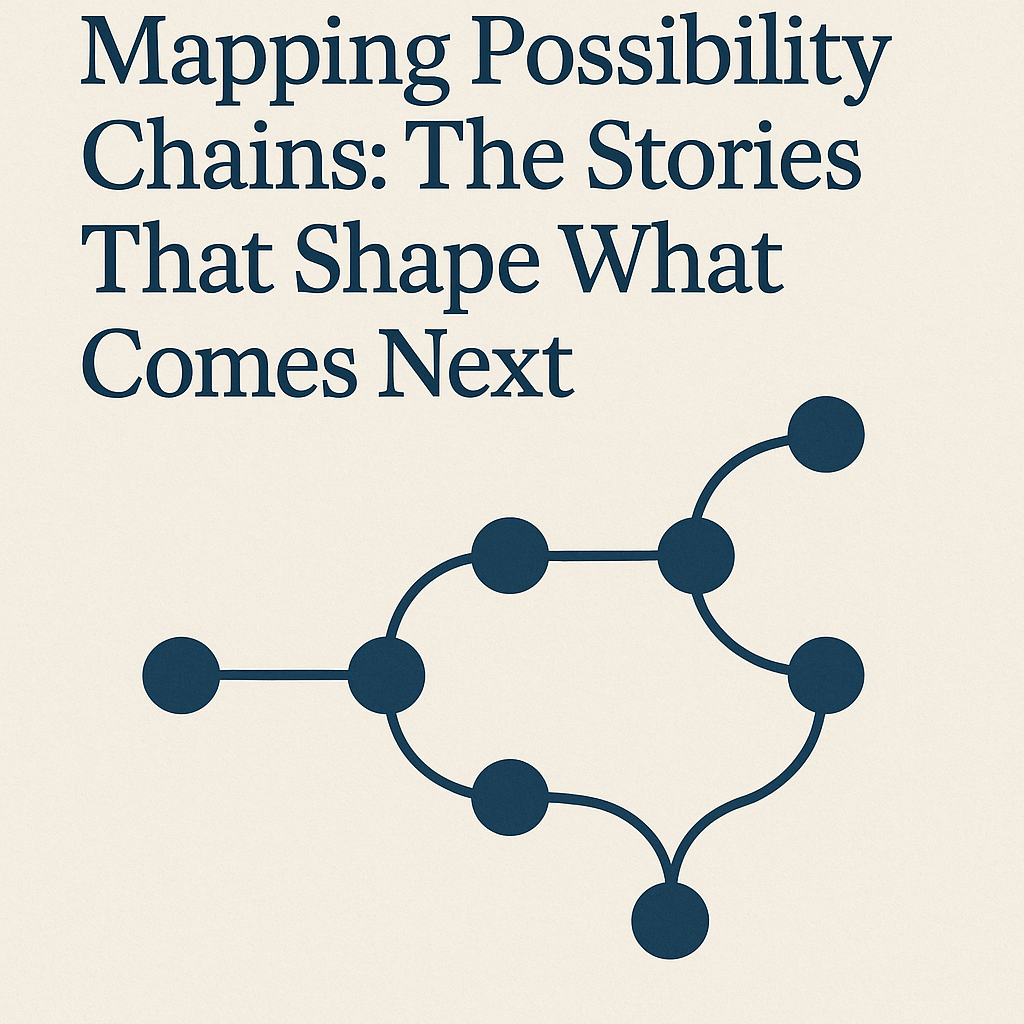
Last week, I shared the vignette “Cooking with Grandma’s Digital Twin”, a glimpse into a future shaped by memory preservation and AI companions. It was the first in a new series of narratives designed to humanize the complex forces shaping our future. These vignettes are part of a broader foresight approach I have called possibility chains – connected sets of plausible developments within a single theme or driver of change.
(more…) -

Sunday Visits, With Eva
A short story from a near-future we’re already building
Every Sunday, Layla walks three blocks through the city to visit her mother, June.
It’s a quiet ritual in a world that’s grown louder—drones overhead, screens on every corner. Layla still carries groceries in her arms. Still buys the same tea: jasmine and orange peel, just like her mother brewed when she was little.
June doesn’t always remember who Layla is.
But she always reacts to the tea.
(more…)